
A 2 Cylinder Diesel Generator can be a practical choice where dependable power, manageable size, and fuel efficiency matter. Its twin-cylinder engine suits farms, workshops, small businesses, and backup systems that need steady output without a large generator set. The appeal is straightforward. Fewer cylinders can mean a simpler engine layout, though actual maintenance needs depend on the model, workload, and service access.
Rudolf Diesel, the engineer associated with the compression-ignition engine, wrote: “The use of vegetable oils for engine fuels may seem insignificant today. But such oils may become, in course of time, as important as petroleum and the coal-tar products of the present time.” This historical remark concerns fuel possibilities, not two-cylinder generator design. Still, it reflects why evaluating a diesel generator means looking beyond its nameplate. Fuel use matters. So do load stability, cooling, noise, and access to filters and oil drains.
The right choice depends on the work it must handle. A unit powering lights and a water pump has different demands from one starting a compressor or workshop machinery. Check rated and peak output, expected running hours, and local service support before buying. A compact set may fit neatly beside a shed, yet vibration and exhaust still need careful attention. Small does not mean effortless. And two cylinders alone do not guarantee reliability; build quality and routine maintenance count just as much.
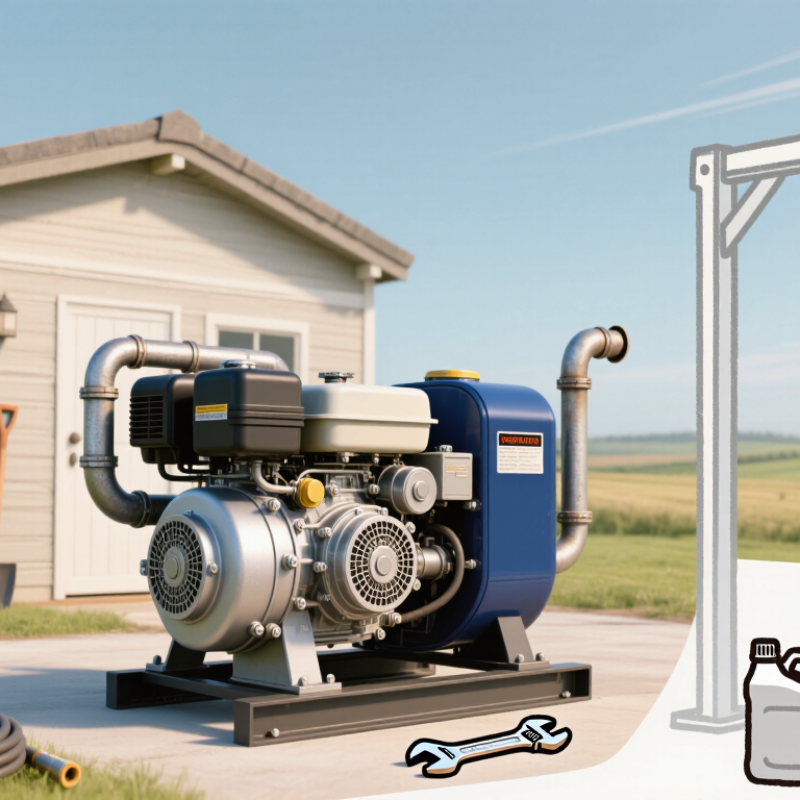
A two-cylinder diesel generator is a power unit whose engine has two combustion cylinders. Inside each one, a piston compresses air; injected diesel fuel ignites from the heat. The pistons move the crankshaft, which turns an alternator to produce electricity. Many compact engines place the cylinders in line, though layouts vary. Firing in sequence can make operation smoother than in a comparable single-cylinder engine. But cylinder count alone does not guarantee quieter running or greater output. Displacement, speed, balancing, cooling, and alternator design matter too. That detail is easy to overlook.
The International Energy Agency’s Electricity 2024 report estimates that data centres used about 460 TWh of electricity in 2022. It projects consumption could reach 620–1,050 TWh by 2026. Those figures describe wider demand, not proof that a two-cylinder set suits every backup need. Match the generator’s rated output to the actual load, including equipment starting surges. Check the duty rating, fuel use, service access, and sound level in the intended location. A small unit can still be the wrong fit.
Tip: Compare rated and standby power, then test the generator with the real load. Keep clear notes; estimates can miss brief startup peaks.
A two-cylinder diesel generator turns fuel energy into electrical power through a chain of controlled motions. Inside each cylinder, a piston compresses air until its temperature rises. Fuel is injected as a fine spray, and the hot compressed air ignites it without a spark plug. Expanding gases push the pistons down. Connecting rods transfer that movement to a crankshaft, which rotates as the cylinders take turns producing power. A two-cylinder layout can smooth rotation compared with one cylinder, but vibration still depends on engine balance, mounting, and operating speed.
The crankshaft drives an alternator. As its rotor turns, the changing magnetic field induces current in stationary copper windings. A voltage regulator adjusts the magnetic field to keep output near its set point as electrical loads change. When a water pump starts, demand can briefly surge. The engine governor adds fuel to help maintain speed. That response is not instant. Fuel quality, clean air filters, cooling, and regular maintenance all affect performance. Two cylinders do not guarantee quiet operation or low fuel use; generator sizing and workload matter too. A neat diagram makes the process look effortless, but a slight shiver through the frame reminds us that real machines are less tidy.
| System or stage | What happens | How it contributes to electricity | Practical consideration |
|---|---|---|---|
| Two-cylinder layout | Two pistons move inside separate cylinders and turn a shared crankshaft. Their power strokes are phased according to the engine’s design. | The crankshaft provides continuous rotary motion to drive the generator’s alternator. | A two-cylinder engine can offer a compact option for suitable power requirements, but its output and smoothness depend on the complete engine design. |
| 1. Intake | The piston moves down and draws air into the cylinder through the intake system. | This supplies the oxygen needed for diesel combustion. | Clean air filters help protect the engine and maintain airflow. |
| 2. Compression | The piston moves up and compresses the air, raising its pressure and temperature. | The hot compressed air enables injected diesel fuel to ignite without a spark plug. | Diesel engines use compression ignition; cold-start equipment may be fitted depending on the engine and operating conditions. |
| 3. Fuel injection and power | Near the end of compression, the injection system sprays metered diesel into the hot air. Combustion pushes the piston down. | The downward piston force turns the crankshaft, converting fuel energy into mechanical rotation. | Fuel quality, injection condition, maintenance, and engine load all affect operation and fuel consumption. |
| 4. Exhaust | The piston moves up again and pushes combustion gases out through the exhaust system. | Exhausting the gases prepares the cylinder for its next intake stroke. | Exhaust routing, ventilation, and emissions requirements should be considered when installing a generator. |
| Four-stroke cycle | In a typical four-stroke diesel engine, each cylinder completes intake, compression, power, and exhaust over two crankshaft revolutions. | Repeated power strokes keep the crankshaft turning while the engine runs. | The cylinders’ firing order and timing vary by engine design. |
| Alternator | The engine turns the alternator rotor inside a magnetic field. | Electromagnetic induction produces electrical output in the alternator windings. | In a conventional synchronous generator, frequency depends on rotational speed and the number of poles. For example, a four-pole unit runs at 1,500 rpm for 50 Hz or 1,800 rpm for 60 Hz. |
| Voltage and output control | The generator’s control system monitors operating conditions; an automatic voltage regulator is commonly used to help regulate voltage. | Stable engine speed and voltage control help supply electricity compatible with connected loads. | Check rated voltage, frequency, phase, and power capacity against the equipment being supplied. |
| Choosing a two-cylinder model | The number of cylinders is only one part of a generator’s design; rated output, duty rating, cooling, and alternator design also matter. | A well-matched engine and alternator convert fuel energy into usable electrical power within their specified ratings. | Compare continuous and standby ratings, expected load, runtime, maintenance needs, noise, and installation requirements before selecting a unit. |
Note: Actual performance and fuel use vary by generator model, load, operating conditions, and maintenance.
A two-cylinder diesel generator can suit workshops, small farms, and backup systems where space and fuel use matter. Its compact engine is easier to fit into a narrow service bay, and fewer cylinders can mean fewer injectors and cylinder-head components to inspect. That can simplify routine maintenance. It does not guarantee lower lifetime cost.
The U.S. Environmental Protection Agency’s 2017 Catalog of CHP Technologies reports electrical efficiency of roughly 28–42% for natural-gas reciprocating engines across different sizes and configurations. This is useful context, not a two-cylinder diesel test: cylinder count alone cannot predict fuel economy. A twin-cylinder engine may deliver useful low-to-mid-range output, but firing pulses can create noticeable vibration under changing loads. Still, “compact” does not always mean “quiet.” Mounting, speed control, and load matching matter.
Tips: Check the generator’s rated output against your actual starting loads, especially pumps and compressors. Ask for fuel-consumption figures at 25%, 50%, and 100% load, plus vibration and noise data. Keep the service area clear around the air filter and oil drain. Small details count. A poorly matched unit may spend years running lightly loaded, which is not ideal.
A two-cylinder diesel generator can suit a farm pump, small workshop, roadside kiosk, or backup circuit for refrigeration and lights. The cylinder count alone does not tell you its usable output; engine size, speed, alternator rating, and duty rating matter. Check the nameplate for rated kilowatts, then list the equipment that must run together. A 1.5 kW pump and a 700 W refrigerator already need over 2 kW while running, and motor starting can briefly demand much more. Leave headroom. The exact surge depends on the equipment.
Outage duration helps explain why load planning matters. The U.S. Energy Information Administration reported that customers experienced an average of about 5.5 hours of power interruptions in 2022, including major events (EIA, “U.S. electricity customers experienced an average of nearly six hours of power interruptions in 2022”). For a short outage, lighting, communications, and a refrigerator may be enough; a farm may also need water pumping or ventilation. Add each load’s running watts and starting watts, and confirm the generator can handle the largest simultaneous demand. A little awkward, but important: a unit that runs one pump well may struggle when a compressor starts beside it. Check the manual’s continuous rating, not just its peak figure, and account for hot weather, altitude, and long operating hours.
When choosing a two-cylinder diesel generator, start with the load, not the engine size. List the equipment that must run together, then check both its continuous demand and brief starting surges. Pumps and compressors can draw much more power at startup. Allow for that peak, but avoid buying far more capacity than the site needs. Oversizing can mean low-load operation, which may increase maintenance concerns. Check the rating type, too: standby and prime power ratings serve different duty patterns.
Fuel use, runtime, and operating conditions matter. Compare fuel consumption at realistic loads, not only at full output. A small tank may require frequent refills during an outage. Heat, altitude, and dust can also affect output and service intervals. EIA’s 2022 U.S. reliability data reported an average interruption duration of about 5.5 hours per customer, excluding major events. That figure is a useful planning reference, not a guarantee for any particular site. Verify voltage, frequency, control features, noise limits, and access to filters and service points before selecting a model.
Tips: Write down the essential loads and their startup sequence. Ask the supplier for a load-based runtime estimate and the manufacturer’s derating guidance. Then check the service schedule. A tidy spec sheet can still miss a practical detail: who will change the oil when the unit is hard to reach?
Check the combined running load of the equipment you plan to power, then allow for startup surges from motor-driven loads such as pumps and compressors. These figures are illustrative typical estimates; actual power requirements vary by model, so check each appliance’s nameplate before choosing a generator.
