What Is an Air Centrifugal Blower?
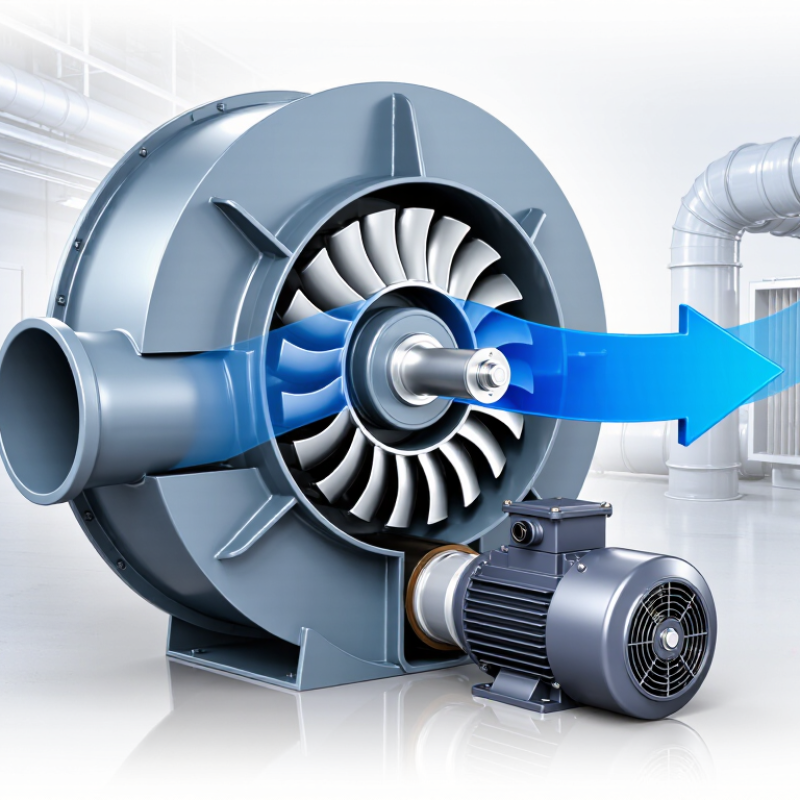
An Air Centrifugal Blower moves air by using a rotating impeller. Air enters near the center, then travels outward as the blades spin. The casing guides that flow toward the outlet. In a workshop, the principle becomes tangible: a motor turns the impeller, and a steady stream of air leaves the housing under pressure.
The principle is simple. Selecting a blower is not. Flow rate, static pressure, air temperature, dust, and duct resistance all affect performance. A unit that looks suitable on a nameplate may struggle once connected to long ducts, filters, or tight bends. Fan-engineering author Frank P. Bleier is a useful technical reference. The following is an editorial summary, not a verbatim quotation: “A blower must deliver the airflow and pressure the system actually requires.”
This guide explains how centrifugal blowers work, where they are used, and how their main parts shape performance. It also distinguishes blower types and outlines practical selection factors, including efficiency, noise, and maintenance access. These details matter on site. A clogged inlet or misaligned belt can change how a system behaves. Specifications help, but they do not tell the whole story; real operating conditions deserve a careful check.
Definition and Purpose of an Air Centrifugal Blower
What Is an Air Centrifugal Blower?
An air centrifugal blower uses a rotating impeller to move air outward, then directs it through a discharge outlet. The curved blades add energy to the airflow, while the housing helps convert velocity into usable pressure. In practical terms, it can push air through ducts, filters, and other equipment that create resistance. The category name can mislead: a blower is not defined by its shape alone, but by the airflow and pressure a system needs.
Its purpose is to deliver a steady volume of air against that resistance. Common duties include furnace combustion air, ventilation, drying, and material handling. A technician might check pressure at the duct, listen for bearing noise, and inspect the impeller for dust buildup. Small details matter. A dirty filter, for example, can increase resistance and change the operating point. Not always obvious.
The U.S. Department of Energy’s Improving Fan System Performance: A Sourcebook for Industry reports that fan-system improvements can yield energy savings ranging from 10% to 50%, depending on the system. This is not a guaranteed saving from replacing one blower; duct layout, controls, and operating hours also matter. Measure before sizing. Airflow, static pressure, temperature, and the presence of moisture or particles should guide selection. One imperfect step in many assessments is relying on nominal capacity instead of measuring actual conditions at the installation.
How Centrifugal Force Moves Air Through the Blower
What Is an Air Centrifugal Blower?
How Centrifugal Force Moves Air Through the Blower
An air centrifugal blower uses a rotating impeller to move air. Air enters near the center, called the impeller eye. Curved blades catch it and accelerate it outward. Centrifugal force helps drive this motion. The air leaves the wheel at higher speed, then travels through the blower housing toward the outlet. That is the basic path.
The housing matters. Its widening passage slows some of the fast-moving air and converts part of its velocity into pressure. Think of air sweeping around a curved metal casing, then narrowing toward a duct. The actual pressure rise depends on wheel design, rotation speed, and resistance in the connected system. The simple explanation leaves out turbulence and other losses. Those details matter in practice.
Tips: Keep inlet and outlet paths clear, and check that ducts are not crushed or heavily obstructed. A change in airflow or an unusual vibration can signal a problem. Do not assume every blower behaves the same; compare its operating specifications with the system’s needs.
What Is an Air Centrifugal Blower? - How Centrifugal Force Moves Air Through the Blower
| Stage or Part | What Happens | Effect on the Air | Practical Detail |
| Air inlet | Air enters near the center, or eye, of the impeller. | Air is drawn into the rotating assembly and directed toward the blades. | Inlet shape and restrictions can affect the airflow available to the blower. |
| Impeller rotation | A motor turns the impeller, whose blades transfer energy to the air. | The air gains velocity and moves outward from the impeller center. | The impeller’s speed, diameter, and blade design influence blower performance. |
| Centrifugal action | As the impeller rotates, its blades guide air radially outward. | Air leaves the impeller at higher velocity than it had at the inlet. | The rotating impeller supplies energy; the process is not simply air being pushed by centrifugal force alone. |
| Volute or diffuser | The surrounding casing or diffuser collects the impeller discharge and guides it toward the outlet. | Some of the air’s velocity is converted into static pressure. | The shape of the passage affects pressure recovery and flow efficiency. |
| Discharge outlet | Air exits the casing and enters connected ductwork or equipment. | The blower delivers airflow against resistance in the connected system. | Duct size, bends, filters, and dampers add resistance and can change the delivered airflow. |
| Operating point | The blower and the connected system settle at a flow and pressure determined by their performance characteristics. | More system resistance generally reduces airflow for a given blower speed. | Use the blower performance curve and system requirements when selecting or adjusting a unit. |
A centrifugal blower uses a rotating impeller to add energy to air, then a casing or diffuser helps convert part of that energy into pressure for delivery through a system.
Key Components and Their Functions
What Is an Air Centrifugal Blower?
Key Components and Their Functions
An air centrifugal blower draws air through an inlet and turns it outward with a rotating impeller. The impeller’s curved blades add velocity, while the surrounding casing guides the moving air toward the outlet. This change in direction helps build pressure. The exact airflow depends on the blower’s design and operating conditions.
The impeller is mounted on a shaft, which transfers rotation from a motor or drive system. Bearings support the shaft and help it turn smoothly; excessive vibration can indicate wear or misalignment. Small parts matter. Seals around the shaft can limit air leakage, while an inlet screen or filter may keep larger debris away from the blades. A diffuser, when fitted, slows the air and converts some of its speed into pressure.
The casing is not just a cover. Its shape affects how evenly air leaves the impeller, and poor alignment can create turbulence or noise. Not glamorous. In a real installation, technicians check bearing temperature, unusual sounds, and dust buildup, rather than relying on airflow readings alone. A simplified diagram can make these components look independent, but their clearances and fit work together. A blocked inlet, for example, may reduce performance even when the motor runs normally.
Common Designs and Performance Characteristics
An air centrifugal blower moves air by spinning it outward from an impeller into a surrounding casing. Common designs include single-stage units for moderate pressure and multistage units for higher pressure. High-speed turbo blowers use compact impellers and often include variable-speed controls. The best fit depends on airflow, pressure, temperature, and how steadily the system operates.
Performance changes with speed. Under standard fan laws, airflow varies roughly with rotational speed, pressure with its square, and power with its cube. A 10% speed reduction can therefore cut power substantially when system conditions allow. Real systems are messier. Duct restrictions, dirty filters, and poor inlet conditions can shift the operating point and reduce efficiency. The U.S. Department of Energy’s Improving Fan System Performance sourcebook reports that fans account for about 7% of electricity used in U.S. manufacturing. That figure makes careful sizing more than a technical detail.
Tips: Compare blower curves at your actual operating pressure, not just the advertised maximum. Check noise and vibration near the installation point. Keep a little doubt in the calculation: future duct changes can alter demand.
What Is an Air Centrifugal Blower? Common Designs and Performance Characteristics
A centrifugal blower uses a rotating impeller to move air outward and raise its pressure. The chart compares typical performance-curve shapes for three common impeller designs at a fixed speed.
How to read it: Pressure generally falls as airflow increases. Backward-curved designs are commonly chosen for efficient operation; radial-blade designs are suited to rugged, higher-pressure service; forward-curved designs typically deliver high airflow at relatively low pressure. Curves shown are illustrative, not manufacturer ratings—actual performance depends on impeller geometry, speed, and system conditions.
Typical Applications and Operating Considerations
An air centrifugal blower draws air into a rotating impeller and redirects it outward through a housing. That motion creates airflow and pressure for ventilation, drying, cooling, and process-air duties. In workshops, it may remove warm air from equipment; in buildings, it can support exhaust or supply systems. It is useful where steady airflow matters, though the right model depends on system resistance.
Operating performance changes with duct length, bends, filters, dampers, and inlet condition. A clogged filter can reduce airflow, while a poorly matched blower may use extra power or create noise. Check required airflow and static pressure against the system curve, not just the outlet size. Also review motor rating, temperature range, mounting, vibration, and cleaning access. Sound readings deserve attention. Small installation details are easy to underestimate, so verify calculations against actual operating conditions.
Tips: Keep the inlet clear, inspect filters on a schedule, and watch for new vibration or unusual sound. Record airflow and power after commissioning; those baseline readings make later changes easier to diagnose.