
A Triple Eccentric valve can look straightforward on a drawing: a metal disc, a stem, and a pressure rating. The buying decision is less simple. Seat material, operating temperature, differential pressure, leakage requirements, and actuator torque all affect performance. A mismatch may not show up until the valve cycles under real process conditions. That is an expensive surprise.
The market context is significant, but it needs careful interpretation. Grand View Research estimated the global industrial valves market at USD 79.5 billion in 2023, with projected growth through 2030. That report covers industrial valves broadly; it does not establish demand for Triple Eccentric valves alone. For buyers, the useful takeaway is not “buy the most advanced design.” It is to verify the duty, test requirements, materials, and documentation behind each offer.
John V. Ballun, author of The Valve Primer, has written extensively about valve design. His work supports a practical selection principle: match the valve to its service conditions, not merely its nominal size. Treat that as guidance, not a verbatim quotation. Ask suppliers how the seat seals, how torque changes across the stroke, and which tests support the stated leakage class. Request evidence. Compare it closely. A datasheet can still leave gaps. That is where experienced buyers pause, challenge assumptions, and use these seven buying tips to make a more defensible choice.
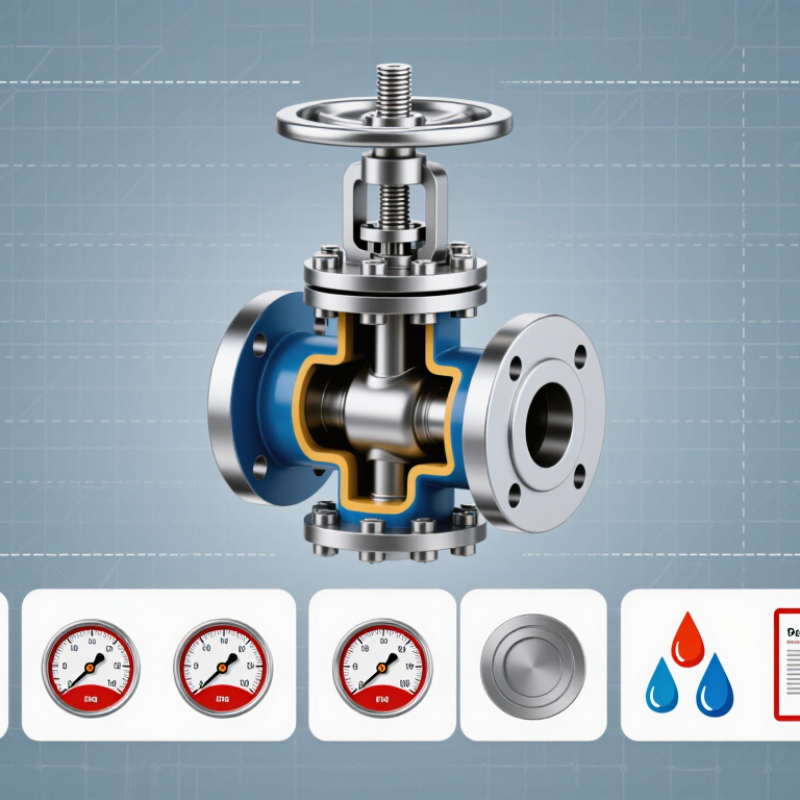
A triple eccentric valve uses three carefully placed offsets to control how its disc meets the seat. The stem sits behind the disc’s sealing plane and away from the pipe centerline. A third offset angles the sealing cone. Together, these features create a cam-like closing motion.
The disc moves clear of the seat soon after opening, rather than dragging across it through the full stroke. Contact occurs near the end of closing. That can limit rubbing, wear, and operating torque, especially in hot or demanding service. The seal is typically metal-to-metal. Performance still depends on materials, machining, and installation. Not magic.
When assessing a valve, ask how its sealing geometry handles your pressure, temperature, and media. Check whether the design is intended for one flow direction or can seal in both; this varies by model. Review the stated leakage class and pressure-temperature limits, not just the valve size. A cutaway drawing can help reveal the offsets, but it will not prove manufacturing quality. I would also check seat and disc materials against the actual operating conditions. Small details matter. A seemingly minor mismatch can affect shutoff performance.
| No. | Buying Tip | Design and Operation | What Buyers Should Verify |
|---|---|---|---|
| 1 | Confirm the triple-offset geometry | Three geometric offsets move the disc away from the seat as the valve opens. The disc and seat are designed to make contact mainly during the final part of closing, reducing sliding contact compared with a concentric butterfly valve. | Request a sectional drawing showing the stem, disc, seat, and offset arrangement. Confirm that the proposed design and installation orientation suit the specified flow and service conditions. |
| 2 | Match the valve to the service conditions | Pressure, temperature, fluid properties, flow direction, and operating frequency affect the suitable body, trim, seat, and actuator selection. A metal-seated design is common in high-temperature or demanding services, but material suitability depends on the application. | Provide the full design and operating pressure and temperature, fluid composition, solids content, corrosion concerns, and expected cycling frequency. Check the manufacturer’s pressure-temperature limits for the exact materials and size. |
| 3 | Specify the required leakage performance | Triple-offset valves commonly use metal-to-metal seating. Leakage performance can vary with valve size, pressure, seat construction, materials, and test method; “bubble-tight” performance should not be assumed from the valve type alone. | State the allowable leakage rate, test medium, test pressure, and acceptance criteria in the purchase specification. Ask for the applicable test procedure and inspection documentation. |
| 4 | Check flow direction and shutoff requirements | Some designs are suitable for bidirectional shutoff, while others have a preferred pressure direction or different ratings by direction. Differential pressure and flow direction can affect seat loading and operating torque. | Confirm the rated shutoff direction and pressure in each direction, if applicable. Make sure the valve’s flow arrow or installation instructions are consistent with the piping arrangement. |
| 5 | Size the actuator using actual torque data | Operating torque depends on size, pressure differential, temperature, seat design, and service conditions. The actuator must provide sufficient torque across the full stroke without exceeding the allowable stem or valve limits. | Request the valve’s required torque data and the actuator sizing calculation, including any stated safety factor. Verify the power supply, control signal, fail position, cycling duty, and available installation space. |
| 6 | Verify materials and applicable standards | Body, disc, stem, and seat materials must be compatible with the process fluid and temperature. Standards address different aspects: for example, API 609 covers butterfly valves, while ISO 5752 includes face-to-face dimensions for metal valves. | List required material grades, pressure class, end connections, inspection, and testing requirements. Specify applicable standards and editions, and confirm that the offered valve’s size and pressure class fall within their scope. |
| 7 | Plan for installation and maintenance | Face-to-face dimensions, disc clearance, flange arrangement, and actuator access affect installation. Seat and packing replacement procedures vary by design, and some maintenance may require removing the valve from the line. | Check the dimensional drawing against the piping layout, mating flanges, insulation, and nearby equipment. Request installation, operation, maintenance, and spare-parts information, including any fire-safe or emissions qualification required by the project. |