
A Fluoropolymer Lined Reactor is chosen for more than chemical resistance. Its lining must also suit the process temperature, pressure, vessel geometry, and cleaning routine. In 2026, comparing reactor types means looking closely at those operating details—not just the lining material.
Grand View Research estimated the global fluoropolymer market at USD 11.7 billion in 2023 and projected 4.5% annual growth from 2024 to 2030. That figure covers fluoropolymers broadly, not lined reactors specifically. It signals material-market momentum, but it cannot tell buyers which reactor design will perform best. A glass-lined vessel, a steel reactor with a fluoropolymer lining, and a specialized lined design each bring different inspection and maintenance needs.
Small details matter. A nozzle edge, a lining joint, or a poorly matched agitator can become a weak point. There is no universal choice. This comparison will examine common reactor types, their practical trade-offs, and the conditions each suits. One limitation: no verifiable expert quotation was provided or established here, so I will not invent one or attribute unsupported words to a named specialist. That restraint matters. A polished quote is not evidence.
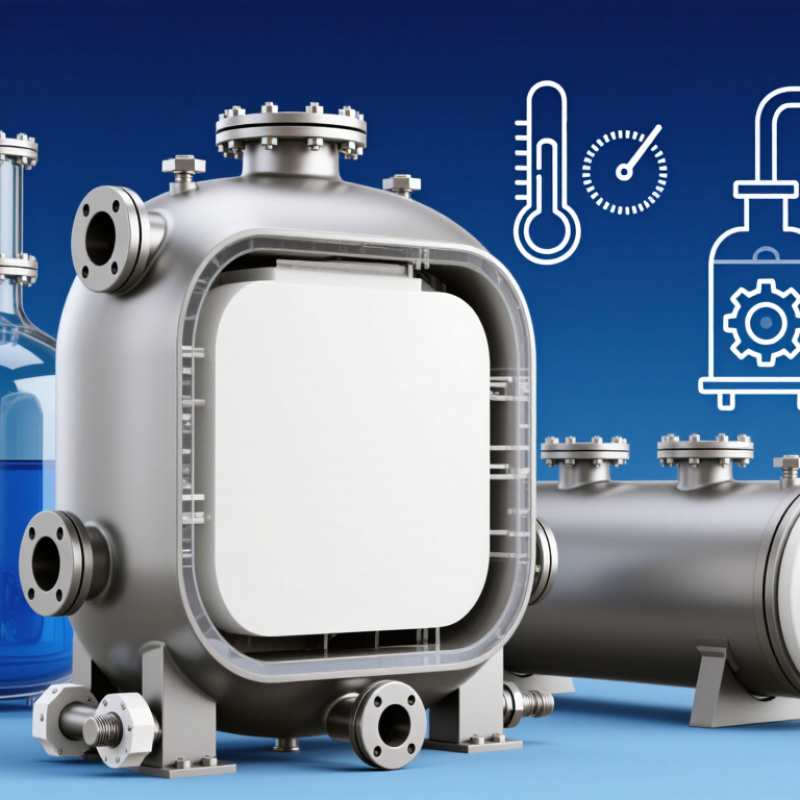
A fluoropolymer-lined reactor is a process vessel with a protective polymer layer covering its wetted interior surfaces. The outer shell provides structural support, while the lining helps separate the process material from the shell. Common lining materials include PTFE and PFA, selected according to chemical compatibility, temperature, and operating conditions. The lining is not a load-bearing barrier. Its thickness, joints, and attachment method matter.
In practical terms, the interior may look smooth and pale, but that does not make it damage-proof. Abrasive solids, sharp tools, thermal cycling, or unsuitable cleaning methods can harm the surface. It is easy to assume a fluoropolymer lining solves every compatibility problem; it does not. Permeation, vacuum conditions, and the full assembly’s pressure and temperature limits also deserve review.
Before choosing a reactor, match the lining to the actual recipe, including concentration changes and cleaning steps. Ask for documented compatibility and inspection guidance from a qualified supplier or engineer. A good-looking lining is not proof of a sound vessel. Regular checks help catch damage early, though inspection intervals should reflect real use and process risk.
Top Fluoropolymer Lined Reactor Types in 2026?
A fluoropolymer lining separates reactive contents from the reactor’s metal shell. That barrier can reduce corrosion and help prevent metal contamination. Common lining materials include PTFE and PFA, selected according to process chemistry, temperature, and vessel design. The right choice is specific to the duty.
Small details matter. At a nozzle, weld, or agitator opening, an imperfect seal can expose the substrate. Temperature changes also make the lining and steel expand differently. Over time, that movement may stress joints or create damage. The lining helps, but it is not armor.
Operators should consider more than chemical resistance. Abrasive solids, repeated heating cycles, pressure conditions, and cleaning methods can affect service life. A pale stain near a connection, a blister, or a loose edge deserves inspection. Look closely there. Routine checks should follow the lining supplier’s procedures and the vessel’s operating conditions. Holiday testing may help identify discontinuities, where appropriate. Still, no single inspection method catches every problem. That assumption can be wrong. A realistic maintenance plan tracks changes over time and treats unusual wear as useful evidence, not just a cosmetic flaw.
In 2026, fluoropolymer-lined reactors are commonly grouped by vessel design and process duty. Jacketed stirred-tank reactors suit batch work that needs controlled heating or cooling. Their agitators help mix viscous liquids, while the lining separates process material from the metal shell. Pressure-rated designs support enclosed reactions, but the vessel’s approved limits matter more than the liner alone. That distinction is easy to miss.
Liner choices include PTFE, PFA, and FEP, selected according to temperature, chemical exposure, and fabrication needs. PFA can provide a smooth, continuous contact surface in demanding service. PTFE is widely used where broad chemical resistance is important, though installation details affect performance. FEP may fit applications with milder temperature demands. Reactors can also differ by lining method, such as molded components or sheet-lined surfaces. Seams, nozzles, and agitator entry points deserve close attention; they are often harder to inspect than the main vessel wall.
Tips: Match the reactor’s documented pressure and temperature ratings to the process. Check lining condition around ports and seals during scheduled inspections. A small surface defect can matter. When uncertain, ask a qualified process engineer to review compatibility and operating conditions.
Top Fluoropolymer Lined Reactor Types in 2026?
Key Differences in Design, Capacity, and Chemical Resistance
Fluoropolymer-lined reactors vary most in their mixing layout, working volume, and liner construction. A stirred batch reactor may use an anchor for viscous liquids or a smaller impeller for thinner mixtures. The choice affects circulation and heat transfer. Small details matter.
Jacketed vessels help control temperature through a surrounding heating or cooling space. Larger capacities can suit production batches, but scale alone does not ensure even mixing. Check the impeller’s reach, vessel geometry, and the difference between total volume and usable working volume. A neat chart can still mislead.
PTFE and PFA linings offer broad chemical resistance, but neither is a universal solution. Concentration, temperature, pressure, and exposure time can change compatibility. Some designs may also face limits from permeation, liner movement, or vacuum conditions. Not always. Before selecting a reactor, compare the actual process conditions with documented material data, and ask how the lining is inspected and maintained. One overlooked seal or damaged area can undermine an otherwise suitable design.
Typical upper continuous-use temperature ratings for common liner materials (°C)
PTFE and PFA liners are commonly selected for broad chemical resistance and higher-temperature service; ETFE and PVDF are used in applications with lower typical temperature limits. These figures are representative material ratings, not guaranteed reactor operating limits. Reactor design and working capacity depend on vessel geometry, pressure rating, lining construction, and process conditions. Confirm chemical compatibility and allowable operating limits for the specific application.
Fluoropolymer-lined reactors suit processes where corrosion resistance and product purity matter. Common options include steel vessels lined with PTFE or PFA, plus glass-lined reactors for different chemical and thermal demands. The lining is only one part of the decision. Vessel shape, agitator design, seals, and fittings also contact or influence the process. Small details count.
Start with the actual operating conditions. List every chemical, concentration, temperature, pressure, and cleaning step—not just the main ingredient. Then assess whether the lining material is compatible across the full cycle. Check mixing needs, heat-transfer limits, batch size, and any solids that could abrade surfaces. A highly resistant lining may still be a poor fit if heat transfer or inspection access is inadequate. There is no universal best type; even a careful selection can reveal trade-offs during commissioning.
Tips: Ask for documented compatibility data at your operating conditions. Confirm allowable temperature and pressure with the vessel supplier. Inspect lining seams, nozzles, and agitator seals regularly. If the chemistry or cycle is unusual, a small-scale trial may expose issues that a specification sheet misses.
