
Metering Equipment is becoming a strategic part of China’s energy and water infrastructure. Smart electricity meters record consumption at regular intervals, while water and gas meters help utilities identify losses and manage demand. Their value depends on more than the device itself. Accuracy, communications performance, software integration, and dependable after-sales support all matter.
The investment backdrop is substantial. The International Energy Agency’s 2023 report, Electricity Grids and Secure Energy Transitions, says more than 80 million kilometres of grids need to be added or refurbished by 2040. Better measurement can help utilities operate those networks with clearer data. IEA Executive Director Fatih Birol described the wider shift as “the Age of Electricity.” That matters.
This guide examines ten leading Chinese metering equipment manufacturers and the capabilities behind their market presence. It considers product scope, manufacturing experience, certifications, export reach, and evidence of technical support. These factors offer a more useful comparison than rankings alone, which can conceal differences between electricity, water, and gas applications. Buyers should verify specifications, test conditions, and service commitments directly with suppliers. A catalogue rarely shows how a meter performs in a damp cabinet, a crowded utility room, or a weak-signal location. No list can capture every factory-floor constraint; that is worth remembering.
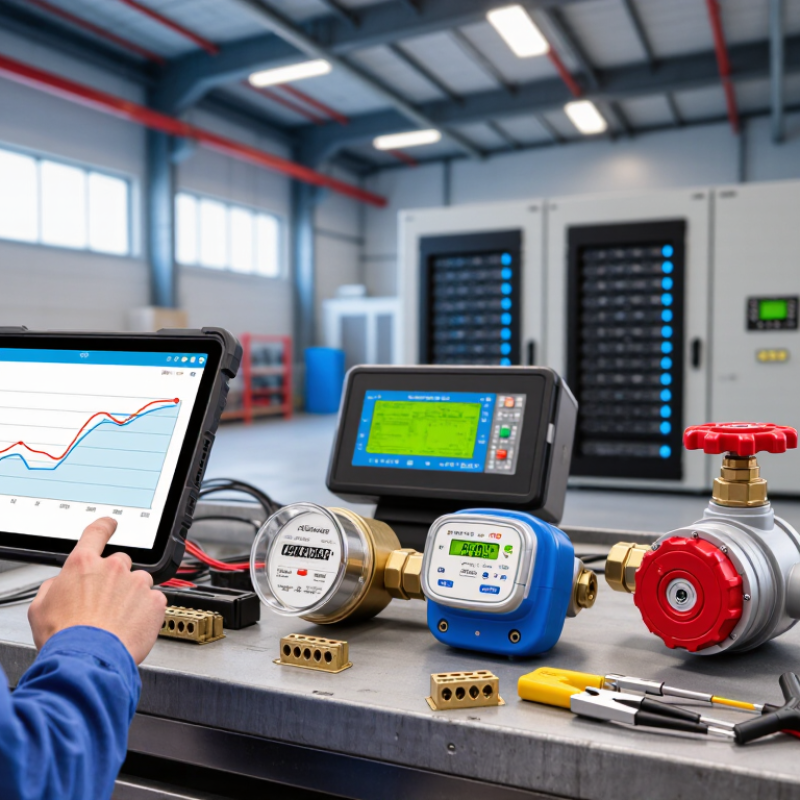
Metering equipment measures and records the quantity or rate of a substance or resource. Common instruments include flow meters, energy meters, water meters, and dosing meters. Each works differently, so choosing one depends on the material, operating conditions, and required accuracy. A device suited to clean water may perform poorly with viscous fluids or suspended particles. Small details matter.
In factories, flow meters help operators track liquids moving through pipes and adjust production rates. Water utilities use meters to monitor consumption and identify unusual changes. Energy meters record electricity use in buildings, helping facility teams compare demand across rooms or equipment. In laboratories, dosing meters deliver measured amounts for repeatable tests. The display may show a precise number, but installation, calibration, and maintenance affect its reliability. Even pipe vibration or air bubbles can distort readings.
When comparing manufacturers, buyers should look beyond product range. Check measurement limits, material compatibility, documentation, service support, and calibration options. Ask how the instrument behaves under actual site conditions, not only in a clean test setup. I have seen specifications look convincing while leaving practical questions unanswered. That is worth pausing over. A clear application review can prevent costly mismatches and make readings more useful to the people who rely on them.
China Top 10 Metering Equipment Manufacturers
China’s metering equipment industry combines component production, electronics assembly, calibration, and product testing. Manufacturers may produce water, gas, flow, or energy meters, with capabilities varying across factories. A meter can contain a metal housing, a sensing element, a circuit board, and several seals. Small differences in machining or assembly can affect readings and long-term reliability.
The manufacturing landscape benefits from dense supplier networks and established industrial infrastructure. Nearby access to castings, plastics, sensors, and electronic components can shorten procurement cycles. Yet a broad supply base does not guarantee consistent quality. Buyers should examine calibration procedures, production traceability, environmental testing, and after-sales support. A well-equipped calibration bench matters. So does the technician who records each result. Export-oriented factories often work with different technical requirements, but documentation and verification still deserve close review. Product descriptions can look polished; actual performance depends on testing conditions and how clearly those conditions are reported. There is room for improvement here, especially in making performance data easier to compare.
Start with your operating conditions, not a supplier’s catalog. Specify the fluid, expected flow range, pressure, temperature, installation position, and required output signals. A meter tested on clean water may behave differently with a viscous liquid or changing temperatures. Details matter. Ask for calibration records linked to the instrument’s serial number, with test conditions and stated measurement uncertainty. Broad accuracy claims alone are not enough.
Review the manufacturer’s quality controls and technical support. Ask how each unit is inspected, how software or firmware changes are documented, and whether spare parts remain available. Request a sample test report and check that its readings, units, and acceptance limits are clear. If possible, compare a demonstration unit with a trusted reference under conditions close to your own process. One showroom test is useful, but it cannot represent every operating condition.
Check whether the manufacturer can explain installation requirements and common sources of error in plain language. For example, nearby bends, air pockets, or poor grounding may affect readings, depending on the meter type. A polished factory visit can still leave practical questions unanswered. I would treat unanswered questions as a reason to investigate further, not automatic proof of poor quality. Calibration, traceability, and responsive technical answers provide stronger evidence than a low quotation alone.
China’s metering equipment sector includes manufacturers focused on distinct measurement tasks. These profiles compare capabilities rather than claim a verified ranking. Buyers should check calibration records, operating conditions, and after-sales support.
One manufacturer type specializes in ultrasonic water meters, designed for compact installations and low-flow readings. Another focuses on electromagnetic flowmeters for conductive liquids in treatment plants. A third builds turbine meters for steady liquid flows, where installation quality matters. Gas-metering specialists serve residential and industrial networks, with attention to pressure ranges and leak-resistant connections.
Some manufacturers produce thermal energy meters, pairing flow sensors with temperature probes near heating circuits. Others concentrate on electricity meters, offering options for single-phase and three-phase systems. A seventh group supplies differential-pressure instruments for process lines. An eighth develops mass-flow meters for applications needing direct flow measurement. A ninth makes weighing and batching equipment for factories. The tenth focuses on portable calibration devices used to check instruments on site. Useful details include display readability, response time, enclosure protection, and service access. Specifications can look impressive on paper. Field performance deserves scrutiny. Calibration intervals are easy to overlook, and published accuracy may depend on controlled test conditions.
Accuracy class is an important specification when comparing metering equipment. The chart shows nominal percentage values associated with selected active-energy meter accuracy classes; it does not represent the performance of any specific manufacturer.
Reference values are class designations, not universal error limits. Permissible error depends on the applicable standard, meter type, and test conditions.
A top-ten comparison should look beyond meter accuracy claims. Product ranges often span electricity, gas, water, thermal energy, and industrial flow measurement. Some manufacturers focus on utility meters; others add communication modules, data platforms, or calibration services. These differences shape installation work, maintenance needs, and the usefulness of readings in daily operations. A catalog rarely tells the whole story.
The International Energy Agency’s Electricity 2024 report says global electricity demand grew 2.2% in 2023. It projects average annual growth of 3.4% from 2024 to 2026. The IEA’s Electricity Grids and Secure Energy Transitions report also estimates grid investment must exceed US$600 billion yearly by 2030. These figures make reliable measurement increasingly important. They do not, by themselves, identify the best supplier.
Compare each company’s served industries, including utilities, manufacturing, buildings, and water networks. Key strengths may include broad product coverage, rugged equipment, measurement stability, or easier system integration. Ask how devices perform in a dusty plant room or a damp meter pit. Check service access and data compatibility, too. Small details matter. Published specifications can still miss local support quality, so buyers should verify claims against real operating conditions.
