What is Print Flaw Detection System and How Does it Work?
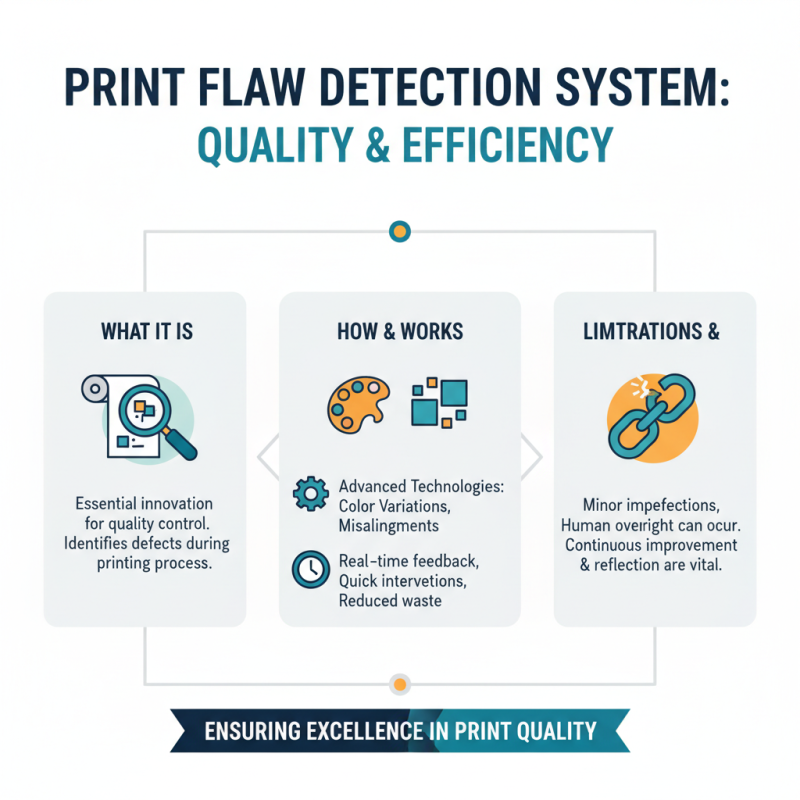
The Print Flaw Detection System is an essential innovation in the printing industry. It plays a crucial role in ensuring quality and consistency. This system identifies defects that may occur during the printing process.
By utilizing advanced technologies, it can spot issues like color variations or misalignments. The system operates in real-time, providing immediate feedback to operators. This allows for quick interventions, reducing waste and improving efficiency. However, despite its capabilities, some flaws may still slip through the cracks.
It's also important to recognize the limitations of the Print Flaw Detection System. Sometimes, minor imperfections go unnoticed. Human oversight can contribute to these errors. Continuous improvement and reflection on these processes are vital for achieving the best results in print quality.
Understanding Print Flaw Detection: An Overview of Its Importance
Print flaw detection systems play a critical role in modern printing processes. These systems ensure that products meet quality standards. When flaws go undetected, they can lead to significant losses. Customers expect perfection, and any mistake can affect brand reputation. Thus, implementing a reliable detection system is essential.
Tips: Regularly inspect equipment to prevent issues. Clean and maintain printers to enhance output quality. It’s easier to spot problems early.
Detection systems use advanced technology to identify flaws. They utilize high-resolution cameras and sensors to catch errors in real time. Even minor defects can be detected, ensuring consistent quality. However, systems are not infallible. They may miss subtle flaws due to lighting or print texture. Operators must remain vigilant and perform manual checks as a backup.
Tips: Train staff to recognize potential flaws. Encourage open discussions about detection challenges within teams. Learning from past mistakes aids in prevention.
Components of a Print Flaw Detection System
Print Flaw Detection Systems consist of several key components. Each plays a role in maintaining print quality. Cameras are primary tools for detecting flaws. They capture high-resolution images of printed materials. These images are then analyzed in real-time. A study shows that 65% of production errors occur due to undetected print flaws.
Another crucial component is the software for image processing. This software uses algorithms to identify defects. It can flag issues such as misalignment, ink smudging, and color inconsistencies. According to industry reports, effective software can reduce defect rates by up to 40%. However, software solutions are not foolproof. They may struggle with complex patterns or subtle defects.
Additionally, user interfaces often play a role. They provide operators with insights and alerts. An intuitive interface can significantly enhance response time when flaws are detected. Yet, excessive alerts can lead to desensitization, where operators unintentionally overlook real problems. Balancing alert frequency with genuine concerns remains a challenge for many systems.
Print Flaw Detection System Performance Metrics
This bar chart displays the performance metrics of a Print Flaw Detection System based on three key dimensions: Detection Rate, False Positive Rate, and Downtime Reduction. These metrics are crucial for evaluating the effectiveness of the system in real-world applications.
How Print Flaw Detection Systems Operate
Print Flaw Detection Systems play a crucial role in modern printing industries. These systems use advanced imaging technologies to identify defects in printed materials. They help ensure product quality, reduce waste, and enhance efficiency. According to industry research, around 40% of printing defects can be detected early with these systems.
These systems operate by capturing high-resolution images of printed materials in real time. Algorithms analyze each image for inconsistencies. For example, color shifts, misalignments, or missing elements are flagged immediately. A study indicates that automated detection can reduce rework costs by up to 30%. However, not all systems perform equally. Some may struggle with intricate designs or low-contrast prints.
Human operators still play an essential role. They often need to review flagged anomalies to determine their severity. Yet, this reliance can lead to oversights, especially under tight deadlines. The challenge lies in balancing automation with human judgment. Continuous improvements in technology are needed. As the industry evolves, so must the systems that monitor quality. This ongoing evolution raises questions about adaptability and efficiency in a fast-paced environment.
What is Print Flaw Detection System and How Does it Work?
| Detection Method | Technology Used | Advantages | Limitations |
| Image Processing | Computer Vision Algorithms | High accuracy in flaw detection | Requires high-quality images |
| Laser Scanning | 3D Laser Technology | Can detect subtle surface defects | Higher cost of equipment |
| Ultrasonic Testing | Sound Wave Technology | Effective for internal flaws | Limited by material type |
| Electromagnetic Testing | Eddy Current Testing | Sensitive to small surface cracks | Not effective on non-conductive materials |
Types of Print Flaws Commonly Detected
Print flaws can significantly affect the quality of printed materials. Common issues include color variations, streaks, and missing elements. According to industry reports, nearly 30% of printed products have visible defects. These flaws can arise during print production, leading to customer dissatisfaction and increased costs.
Color inconsistency is a prevalent defect. This problem often occurs due to miscalibrated printers. Small discrepancies in coloring can go unnoticed during large print runs. Streaks, caused by dust or a malfunctioning printing head, are another frequent issue. Reports indicate that up to 20% of large-format prints face this challenge. Such imperfections can detract from the overall aesthetic appeal of a product.
Additionally, missing text or images can severely impact a print job. This flaw usually results from incorrect file setups or printer settings. Inadequate proofreading before printing often leads to these oversights. Attention to detail is crucial, as corrections after printing can be costly and time-consuming. Recognizing these common flaws can improve overall print quality and efficiency.
Benefits of Implementing Print Flaw Detection Systems
Implementing print flaw detection systems can significantly enhance quality control in the printing industry. Studies reveal that nearly 30% of printing defects go unnoticed during production. These flaws can lead to wasted materials and increased operational costs. By utilizing advanced detection systems, companies can quickly identify issues like misalignment or color discrepancies before they escalate.
Moreover, integrating these systems can improve overall efficiency. When defects are detected early, the rework time decreases. A report by the Print Quality Association indicated that organizations using detection systems reduced waste by up to 25%. This not only saves money but also supports sustainability efforts by minimizing material waste. However, some businesses struggle with the initial investment and training required to implement such technology.
Additionally, there’s the challenge of adapting existing processes. Changing traditional workflows can meet resistance from staff. Despite these obstacles, the long-term gains often outweigh the initial hurdles. Continuous monitoring and feedback loops can help refine these systems, making them more effective over time.