What is a Metal Polishing Machine and How Does it Work?
In the manufacturing industry, the significance of achieving a brilliant finish on metal surfaces cannot be overstated. A Metal Polishing Machine plays a crucial role in this process. With a market expected to grow at a CAGR of around 5% over the next five years, these machines are essential for various sectors, including automotive and aerospace. The demand for high-quality finishes is driving this growth.
Metal polishing is not merely about aesthetics. It enhances corrosion resistance and improves the durability of metal components. By employing specialized abrasives and polishing techniques, a Metal Polishing Machine significantly reduces the time required for finishing processes. However, the use of these machines requires skilled operators who understand the intricacies of different materials and the optimal settings.
Despite advancements, challenges remain. Not all metal types respond well to polishing; some may require extensive trial and error to achieve desired results. Additionally, the environmental impact of polishing compounds often calls for reflection. Industry professionals must continually adapt to changing regulations and best practices. Balancing quality and sustainability is key in the evolution of metal polishing technology.
What is a Metal Polishing Machine?
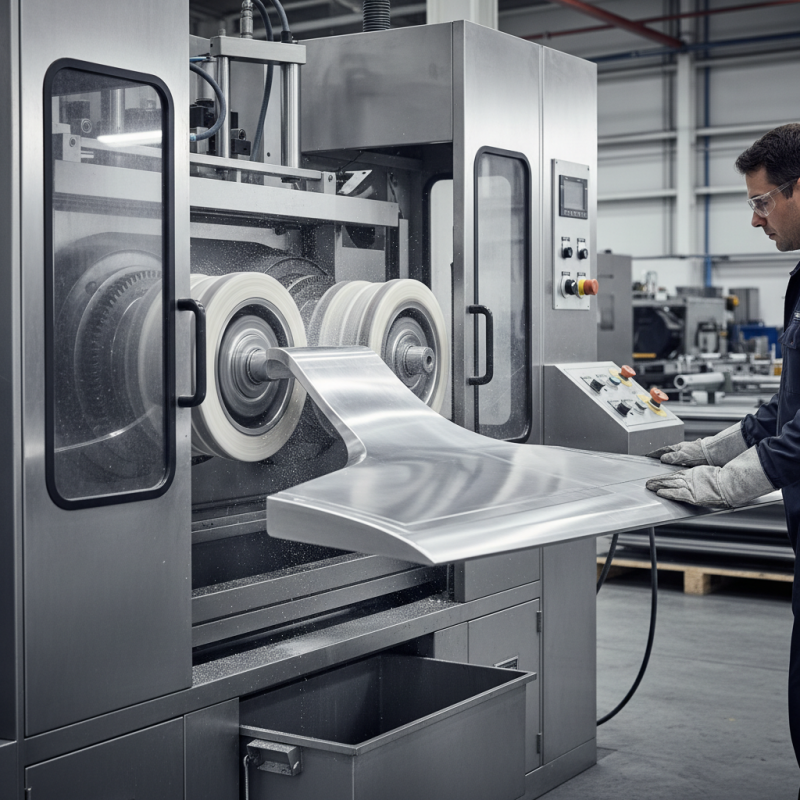
A metal polishing machine is a specialized tool used to enhance the surface finish of metal objects. These machines achieve a high level of shine, removing imperfections and oxidation. The process generally involves abrasive materials and polishing compounds that work together to provide a smooth surface.
Inside the machine, rotating wheels or belts hold the abrasives. As the metal part moves against them, friction generates heat. This heat helps in breaking down surface contaminants. However, it’s crucial to monitor temperature to avoid damaging the metal. Inadequate setup can lead to uneven polishing. Small inconsistencies in the process may create a less polished finish than expected.
Proper maintenance of the polishing machine is essential for reliable performance. Regular checks on belts and wheels prevent breakdowns and poor results. Sometimes, users might rush the process, leading to a subpar shine. A thoughtful approach is vital for achieving the best finish, as taking shortcuts often leads to disappointing outcomes.
Key Components of a Metal Polishing Machine
Metal polishing machines are essential for achieving a pristine finish on metal surfaces. These machines typically consist of several key components that work together to polish metals effectively. The first important part is the motor. It provides the power needed to turn the polishing wheels at high speeds, enabling efficient polishing.
Another crucial component is the polishing wheel itself. Made from various materials like cotton or felt, these wheels are designed to hold polishing compounds. As the wheel spins, it applies friction to the metal surface, removing imperfections and scratches. The polishing compounds used can vary based on the desired finish, allowing for versatility in results.
Additionally, the frame of the machine is important. It supports the motor and polishing wheels, ensuring stability during operation. Some models even feature adjustable arms. This can help users position the metal pieces more easily. However, one must be cautious when using such machines. Improper use can lead to uneven finishes or damage to the workpiece. Regular maintenance is also vital to keep the machine running smoothly.
The Polishing Process: Step-by-Step Overview
The polishing process involves several key steps that ensure a high-quality finish on metal surfaces. Initially, the metal is prepared by cleaning any dirt and grime. This often requires specialized cleaning agents to eliminate all contaminants. Industry reports indicate that effective cleaning can increase polishing efficiency by up to 30%. This preparation is crucial for achieving the desired shine.
Once the surface is cleaned, the polishing begins. A metal polishing machine uses different types of abrasives to gradually smooth the metal surface. The abrasives can range from coarse to fine, depending on the initial condition of the metal. A common mistake is to skip finer abrasives too quickly. This can leave micro-scratches and reduce the overall quality of the finish. According to studies, a multi-stage polishing approach can improve finish quality by over 40%.
During the polishing phase, pressure and speed play vital roles. Too much pressure can damage the surface, while too little results in an incomplete polish. Monitoring these factors is essential. Additionally, maintaining your polishing equipment can be overlooked. Neglect can lead to inconsistent finishes and increased operating costs. A careful balance of technique and equipment maintenance is necessary for optimal results.
Metal Polishing Efficiency by Process Stage
This bar chart illustrates the time spent on different stages of the metal polishing process. Efficient polishing requires careful attention at each stage, from grinding to final polishing and cleaning.
Types of Metal Polishing Machines and Their Applications
Metal polishing machines are vital tools in many industries. They enhance the appearance of metal surfaces by removing oxidation and scratches. Several types of machines serve various applications, each designed to meet different needs.
A common type is the rotary polishing machine. This machine spins a polishing wheel at high speed to create a smooth finish. It’s widely used in automotive and aerospace sectors, achieving a bright luster on alloy wheels and engine parts. According to industry reports, the demand for such machines is projected to rise by 5% annually as manufacturers seek improved aesthetic quality.
Another type is the orbital polishing machine. It moves in an unpredictable pattern, making it ideal for polishing intricate shapes. This type is especially popular in the jewelry industry. Users report that it can significantly reduce polishing time while providing an even finish. Many businesses find that investing in advanced machines is essential for maintaining competitive quality.
Tips: Always conduct a thorough assessment of your polishing needs before selecting a machine. Consider the material type and finish desired. Regular maintenance can extend the life of your polishing equipment, ensuring reliability in production. Each type of machine serves unique functions, so understanding each one's capabilities is crucial for optimal results.
Maintenance Tips for Metal Polishing Machines
Maintaining a metal polishing machine is crucial for achieving optimal performance and longevity. Regular maintenance helps prevent costly repairs and extends the machine's lifespan. According to industry reports, poorly maintained machinery can lead to up to a 30% decrease in efficiency. This highlights the importance of implementing a reliable maintenance routine.
Frequent checks on belts and pads can prevent unexpected breakdowns. These components wear out over time and can affect the polishing quality. It's recommended to inspect them weekly. Additionally, keeping the machine clean is essential. Dust and particles can accumulate, hindering performance. A clean workspace contributes to better efficiency and safer operations.
Tip: Schedule routine maintenance sessions every three months. During these sessions, replace worn-out parts and lubricate moving components. Keeping a record of all maintenance activities can help identify patterns in wear and tear. Regular upkeep not only enhances performance but also boosts safety. Strive for a maintenance plan that suits your operational needs. Consider adjustments based on machine usage and environmental factors. Remember, a well-maintained machine is key to achieving the best polishing results.