What are Control Components and How Do They Work?
Control Components play a crucial role in various industrial applications. According to a report by MarketsandMarkets, the global control components market is expected to reach $38.74 billion by 2025, growing at a CAGR of 6.2%. This significant growth underlines the importance of understanding how these components function and their impact on efficiency.
These components are essential for automation and control systems. They regulate processes in industries like manufacturing, energy, and transportation. Examples include valves, controllers, and sensors. Each plays a unique role in maintaining optimal performance. However, choosing the right control components can be challenging. Misapplication can lead to inefficiencies or system failures.
The dynamics of the control components market reflect evolving technologies. Industry experts note a shift towards smarter, more integrated solutions. Yet, not all organizations are adapting quickly. Some remain reliant on outdated systems, missing out on operational improvements. Understanding control components is critical for competitive advantage in a rapidly changing environment.
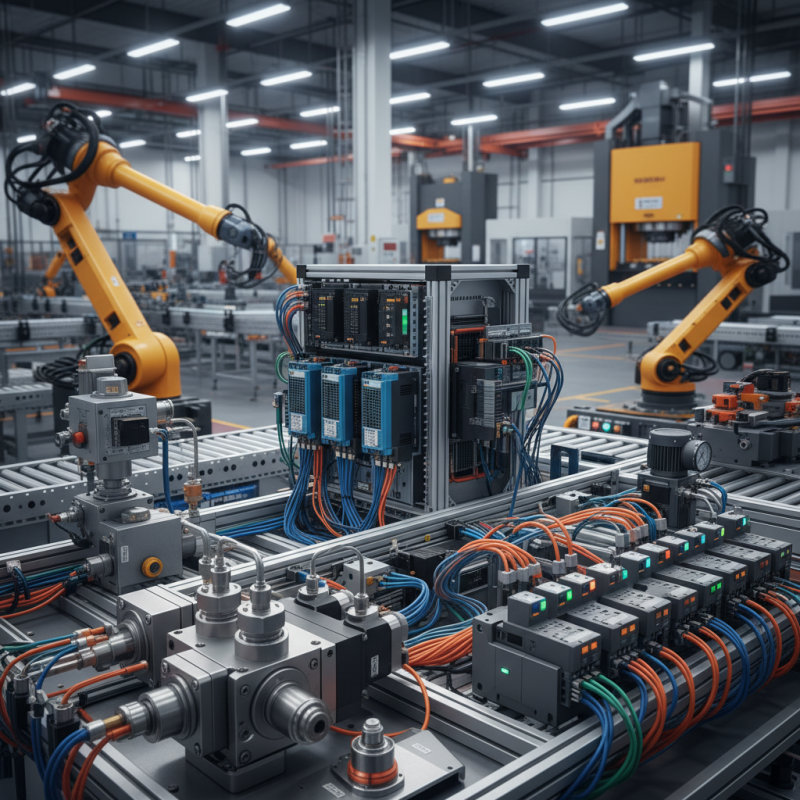
What Are Control Components?
Control components are fundamental elements in various systems, helping to regulate performance and maintain stability. They can be found in industrial machines, electronics, and even everyday household appliances. These components include sensors, actuators, and controllers. They work together to ensure that systems operate efficiently and safely.
Many people overlook the importance of these components. Without them, systems may malfunction or perform unpredictably. Consider a simple heating system. The thermostat senses temperature changes. Once it detects a drop, it signals the heater to activate. This process exemplifies the role of control components in our lives.
Tip: Regularly check and maintain your control components. This can prevent unexpected failures. It’s crucial to stay vigilant about their condition. A small oversight could lead to significant issues.
When examining control components, it's essential to note their limitations. They depend heavily on accurate inputs. If a sensor fails, the entire system could behave erratically. Reflecting on these aspects helps in better understanding system performance.
What are Control Components and How Do They Work?
| Component Type | Functionality | Applications |
| Thermostat | Regulates temperature by switching heating/cooling systems on and off. | HVAC systems, home automation. |
| Pressure Switch | Monitors pressure levels in systems and activates/deactivates operations. | Industrial processes, HVAC, pneumatic systems. |
| Flow Meter | Measures the flow rate of liquids or gases. | Water management, chemical processing, oil and gas. |
| Level Sensor | Detects the level of liquids or solids in a container. | Water tanks, industrial storage, wastewater management. |
| Temperature Sensor | Measures temperature and provides output for control systems. | HVAC, refrigeration, food processing. |
Types of Control Components in Different Systems
Control components play a crucial role in various systems, ensuring processes run smoothly. These components include sensors, actuators, and controllers. Sensors collect data about the environment. They may detect temperature, pressure, or motion. For instance, a temperature sensor measures heat in a room. This allows the system to adjust accordingly.
Actuators are another vital type. They convert signals from controllers into physical actions. For example, an actuator might open a valve or move a motor. These components work together with controllers, which process the data received from sensors. They determine the necessary actions based on predefined algorithms. In this way, systems can maintain balance and react to changes effectively.
However, the effectiveness of control components is not always guaranteed. Sometimes, sensors might fail to detect changes accurately. Actuators may not respond as expected, leading to malfunctions. Therefore, regular checks and maintenance are essential. Understanding these limitations can help improve system designs and responsiveness.
The Functionality of Control Components in Automation
Control components play a crucial role in automation systems. They are the backbone of many processes. From controlling temperature to managing flow rates, their functionality is essential. These components include sensors, actuators, and controllers. Each of these parts works together to ensure smooth operation.
Sensors gather data from the environment. They measure variables like pressure, temperature, and humidity. Actuators then respond to this information. They move valves, motors, or other mechanical parts. Without accurate feedback from sensors, actuators may act inaccurately. This can lead to inefficiencies or even failures in the system.
Controllers analyze sensor data and decide how actuators should respond. They execute commands based on pre-defined algorithms. This decision-making aspect can sometimes be flawed.
A controller might misinterpret data, leading to unexpected outcomes. Furthermore, the interplay between these components can introduce complexities. Each system is unique, and factors like calibration and maintenance matter. Understanding these elements is key to optimizing automation systems.
The Role of Feedback in Control Systems
Control systems rely on feedback to maintain desired performance. Feedback is crucial for adjusting actions based on actual outcomes. For example, in industrial automation, feedback loops improve process efficiency. According to industry reports, systems utilizing effective feedback mechanisms can increase productivity by 15% or more.
Control components, like sensors and controllers, gather data to make adjustments. Sensors detect changes and send information to controllers. These controllers then adjust operational parameters. However, if the feedback loop is slow, it can lead to performance issues. For instance, a delay in response can result in inaccuracies. Continuous monitoring is essential to optimize this loop.
Tip: Ensure timely calibration of sensors to maintain accuracy in data collection. Regular updates can help avoid inaccuracies due to drift over time. Remember, too much reliance on automated feedback without checking can lead to missed errors. Small adjustments, based on real-time data, can significantly enhance system performance.
Applications of Control Components in Various Industries
Control components play a vital role in various industries, enhancing efficiency and precision. Many sectors rely on these components for automation, safety, and operational control. For example, manufacturing plants use sensors and actuators to monitor and adjust machinery. This process increases productivity and reduces waste.
In the energy sector, control components help manage power distribution systems. They ensure that energy is efficiently delivered from sources to consumers. However, not all systems function perfectly. Regular maintenance is essential to prevent failures. Downtime can be costly and disrupt operations.
**Tip:** Always conduct regular checks on your control systems. Small issues can lead to bigger problems. In food processing, control components regulate temperatures to ensure safety. Fluctuations can spoil products. Stay vigilant to maintain quality and compliance.
Different industries apply these components uniquely. In healthcare, they assist in monitoring patient vitals. This data is crucial for timely interventions. But, relying solely on technology may overlook human touch. A balance is necessary for the best care.