How to Choose the Best Safety Padlock for Your Needs?
A Safety Padlock is a small piece of equipment with an important job: helping prevent access to machinery or energy sources during maintenance. The right choice depends on where and how the lock will be used. A padlock exposed to rain, dust, or chemical residue may need different materials from one used inside a clean workshop. The keyway, body, and shackle all deserve attention.
This guide explains the practical features to compare before you buy. Consider body material, shackle length, corrosion resistance, key control, and whether the lock is intended for an individual worker or a shared system. Check the manufacturer’s specifications instead of relying on appearance alone. A brightly colored lock is easy to spot, but color does not confirm that it suits a particular environment. Small details matter.
It also helps to think through everyday use. Will workers wear gloves? Must the lock fit through a narrow hasp? Could moisture collect around the shackle? These questions can reveal problems that a product listing may not make obvious. No padlock can replace clear procedures, training, or regular inspection. That point is easy to overlook when comparing specifications. A careful selection process should match the lock to the task, the workplace, and the people using it. If those needs are unclear, pause and confirm them before choosing.
Understanding Safety Padlocks and Their Role in Lockout/Tagout
How to Choose the Best Safety Padlock for Your Needs?
Understanding Safety Padlocks and Their Role in Lockout/Tagout
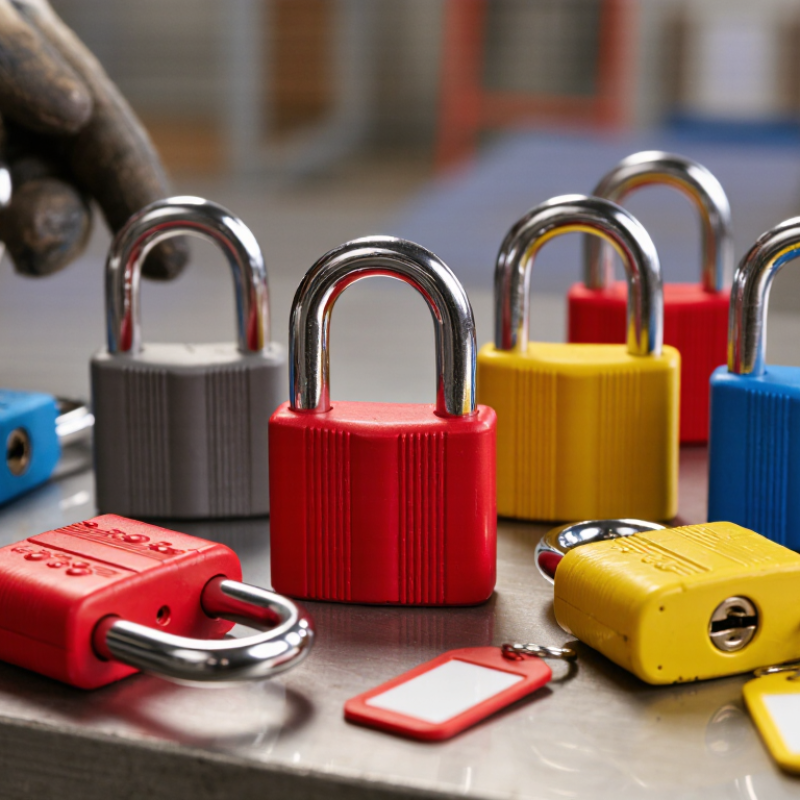
A safety padlock is not simply a tougher version of an ordinary lock. It helps keep machinery isolated while maintenance or cleaning is underway. In a lockout/tagout procedure, an authorized worker applies a personal lock to an energy-isolating device and keeps its key. That visible barrier helps prevent equipment from being restarted unexpectedly. Small details matter. The lock should be identifiable, durable, and suited to the worksite’s conditions, such as oily gloves, moisture, or narrow hasps. Not just a lock.
OSHA’s control-of-hazardous-energy guidance estimates that effective lockout/tagout practices prevent about 120 fatalities and 50,000 injuries each year. These are estimates, but they show why selecting and using a padlock correctly matters. OSHA’s standard, 29 CFR 1910.147, calls for lockout devices to be durable, standardized, substantial, and identifiable. In practice, that means checking whether the lock can withstand the environment and whether its markings remain readable. A lock that looks suitable on a desk may be awkward with gloves or difficult to distinguish beside several similar locks. That part deserves a second look. Each worker should follow the site’s written procedure, apply their own lock where required, and remove it only under the procedure’s controls. A padlock supports the process; it cannot replace training, verification, or clear communication.
Assessing Workplace Hazards and Lockout Requirements
How to Choose the Best Safety Padlock for Your Needs?
Assessing Workplace Hazards and Lockout Requirements
Choosing a safety padlock starts with understanding the hazards at the worksite. Walk through the equipment and identify electrical, hydraulic, pneumatic, thermal, or chemical energy sources. Note where each isolation point sits and whether workers can reach it safely. A small valve beside a hot pipe creates different needs from a breaker in a damp washdown area. Conditions matter. A checklist helps, but it can miss awkward access or changing tasks; review it with workers who use the equipment.
Match the lock to your site’s lockout procedure. Check that its body and shackle suit the environment, and confirm the shackle fits the isolation device or hasp without forcing it. A key-retaining design can help prevent a worker from leaving a lock unsecured. For group lockout, make sure the setup accommodates every worker’s personal lock. Keep keys controlled and clearly assigned. Do not guess. Confirm the chosen lock works with the actual equipment, then follow site procedures for isolation and verification.
Tips: Take a photo of each isolation point during a hazard review. Record the lock size, exposure to moisture or dust, and any clearance problems. Ask maintenance staff to test the fit before purchasing several locks. Small details matter. Recheck the assessment when equipment, work areas, or tasks change.
Comparing Materials, Shackle Designs, and Environmental Ratings
A safety padlock should match the conditions around it, not just look sturdy on a shelf. Brass resists rust and suits damp indoor areas, though its body may be less resistant to cutting than hardened steel. Stainless steel handles moisture well, but quality varies. Check the stated alloy and construction rather than relying on a shiny finish. Laminated steel can offer strength at a practical price, but exposed edges may corrode if the coating gets scratched.
Shackle design matters as much as body material. Hardened steel shackles resist cutting better, while stainless shackles are often a sensible choice near salt spray or frequent washdowns. Measure the clearance around the locking point before buying. A thick shackle is no help if it cannot pass through the hasp. Short shackles can reduce leverage, but may not fit crowded equipment. Small detail. Easy to miss.
Environmental ratings deserve a careful read. Look for specific claims about corrosion resistance, temperature range, and water exposure, plus the test method when available. “Weather-resistant” alone tells you little. An IP rating may describe protection against dust or water, but it does not automatically prove corrosion resistance. Consider where the lock will sit: under a roof, beside a wet loading bay, or outdoors through freezing nights. Then compare the rating with those conditions. Ratings are useful, not guarantees; inspect the lock periodically, especially after its coating is chipped. It is tempting to choose the strongest-looking option, but fit and exposure often matter more.
Choosing Keying Options, Visibility, and Personalization Features
Keying should match how your crew works, not just the purchase order. Keyed-different locks give each worker a separate key; keyed-alike sets reduce key handling when one person manages several points. Master-key systems can help supervisors, but access needs careful control. Keep a current key register. Small details matter. OSHA’s Control of Hazardous Energy guidance estimates that effective lockout/tagout prevents about 120 fatalities and 50,000 injuries each year. That scale makes reliable key control more than a convenience.
Visibility helps workers spot the right lock on a crowded panel. Choose a durable color that contrasts with nearby equipment, then add a legible name, department, or unique ID. OSHA’s 29 CFR 1910.147 requires lockout devices to be identifiable and standardized within a facility. Color alone is not identification. It can look clear on a chart and still confuse someone under poor lighting, so pair it with readable markings. Check that labels remain visible after exposure to oil, dust, and routine handling.
Personalization should support the procedure, not decorate the lock. Include only details workers need to identify ownership and contact the right person. Test markings with gloves on and from normal working distance. A label that peels after a month is a weak system, even if it looked excellent at purchase. OSHA, Control of Hazardous Energy (Lockout/Tagout) eTool; OSHA standard 29 CFR 1910.147.
Verifying Compliance, Fit, and Long-Term Maintenance Needs
How to Choose the Best Safety Padlock for Your Needs?
Verifying Compliance, Fit, and Long-Term Maintenance Needs
A safety padlock should match the equipment and the site’s energy-control procedure. OSHA’s Control of Hazardous Energy guidance estimates that effective lockout/tagout compliance prevents 120 fatalities and 50,000 injuries each year. That matters. Check that each authorized worker can apply and identify their own lock, and control its key as workplace procedures require.
Measure the isolation point before selecting a shackle. Confirm its diameter, clearance, and body size against the valve, breaker, or hasp. A lock that fits one panel may not fit a cramped valve station. A selection sheet can still miss an awkward clearance, so verify the fit at the equipment. Consider moisture, dust, temperature, and chemical exposure when choosing materials. Make sure labels remain readable, even after routine handling.
Plan maintenance around actual conditions. Check the body, shackle, label, and key operation for wear, corrosion, or damage. Remove questionable locks from service under site procedures; a sticky mechanism is easy to dismiss until a worker needs it. OSHA standard 29 CFR 1910.147 requires periodic inspection of energy-control procedures at least annually. That is not a substitute for routine padlock checks. Use the maker’s care instructions and document inspections consistently.
How to Choose a Safety Padlock: Compliance, Fit & Maintenance
OSHA requires tagout attachment devices to have a minimum unlocking strength of 50 lb (22.7 kg). This requirement applies to the tag attachment—not the padlock shackle.
When selecting a padlock, also verify that it fits the energy-isolating device and your site’s lockout/tagout procedure. Inspect locks and attachments regularly for wear, damage, and legibility. Source: OSHA 29 CFR 1910.147(c)(5)(ii)(C)(2).