China Top Temperature Mixing Valve Manufacturers

China’s temperature mixing valve manufacturers serve projects where comfort, scald prevention, and stable water delivery must work together. A Temperature Mixing Valve blends hot and cold water to maintain a controlled outlet temperature. In a hotel bathroom, that means steady water at the tap, even when another fixture opens nearby. Small details matter.

The World Health Organization reports that burns cause an estimated 180,000 deaths worldwide each year. This figure covers burns broadly, not incidents caused specifically by tap water. Still, it shows why reliable temperature control deserves serious attention. WHO’s Health Aspects of Plumbing report also offers a useful public-health framework for assessing safe plumbing design. For buyers, the practical checks include temperature stability, flow range, materials, testing records, and clear maintenance instructions.

Hydronic-heating engineer John Siegenthaler, P.E., has emphasized in his technical writing that mixing performance depends on proper valve selection and system conditions. That is a useful caution, not a substitute for product testing. A capable manufacturer should explain how its valve performs under changing inlet temperatures and pressure. Ask for documented test results. Check the details.

This guide examines China’s leading manufacturers through product capability, quality systems, customization, and export experience. It also considers what catalogs may leave out: installation limits, service access, and spare-part availability. No single factory suits every project. The best choice is the one whose evidence matches the application.
China Top Temperature Mixing Valve Manufacturers

What Is a Temperature Mixing Valve?

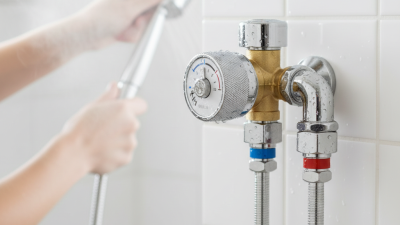
A temperature mixing valve blends hot and cold water to deliver water at a controlled outlet temperature. It helps maintain a more comfortable, consistent supply at taps, showers, or process equipment. Inside the valve, a thermostatic element responds to temperature changes and adjusts the flow of hot or cold water. Some designs use manual adjustment instead, so the level of automatic control varies.

This control can reduce sudden temperature swings and help limit scalding risk. It does not replace correct installation, suitable system design, or regular checks. Water pressure, flow rate, and inlet temperatures all affect performance. In practice, a valve may behave differently when several outlets run at once. That detail is easy to overlook. A mixing valve is not a water heater; it regulates the blend after hot and cold water enter.

Tips: Check the valve’s temperature range and flow capacity against the intended use. After installation, measure the outlet temperature with a reliable thermometer. If readings drift, inspect the settings and system conditions before assuming the valve has failed. Even a well-chosen valve needs occasional attention.
How Temperature Mixing Valves Work

How Temperature Mixing Valves Work

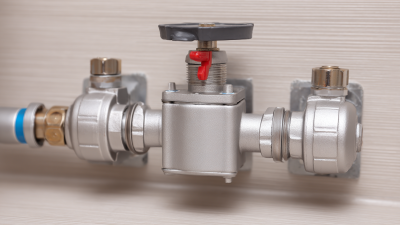
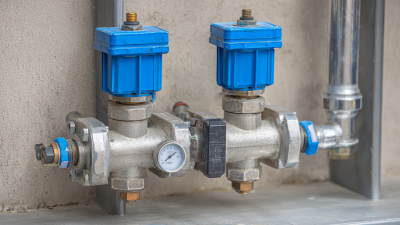
A temperature mixing valve combines hot water from a heater with cold water before it reaches a tap or shower. Inside the valve, a thermostatic element responds to temperature changes and adjusts the hot and cold inlets. If incoming hot water gets hotter, the valve reduces its flow and adds more cold water. The outlet temperature stays steadier, though it can still shift when supply pressure changes. Small shifts matter.

The U.S. Department of Energy’s Energy Saver estimates that water heating accounts for about 18% of household energy use. A mixing valve can help manage delivery temperature, but it does not automatically reduce energy use; performance depends on system settings and installation. The U.S. Consumer Product Safety Commission recommends setting water heaters to 120°F (49°C) to reduce scald risk. A valve’s outlet setting should be checked against the needs of the people using the water and the system design.

Tips: Measure the outlet temperature with a thermometer after installation and after maintenance. Test it regularly. If the temperature fluctuates, check the valve, strainers, and supply pressures rather than assuming the thermostat is faulty.

Key Types and Applications of Temperature Mixing Valves

Temperature mixing valves combine hot and cold water to deliver a controlled outlet temperature. Thermostatic mixing valves use a temperature-sensitive element to adjust flow when supply temperatures change. They suit showers, healthcare washbasins, and other outlets where stable delivery matters. Pressure-balancing valves respond to changes in hot- and cold-water pressure, helping prevent sudden temperature swings in showers. They do not regulate temperature as precisely as thermostatic models. Electronic valves use sensors and actuators, making them useful in public washrooms or monitored facilities. Central mixing units serve multiple outlets, while point-of-use valves control water close to a tap. Fit matters.

Selection depends on flow rate, inlet pressure, maintenance access, and the consequences of temperature variation. The U.S. Consumer Product Safety Commission’s “Tap Water Scalds” guidance warns that water at 140°F (60°C) can cause a severe burn in about five seconds; at 120°F (49°C), it may take about five minutes. These figures show why controlled temperatures matter in homes, care facilities, and hotels. A valve alone is not a complete safety plan: commissioning, periodic testing, and suitable outlet settings remain important. In practice, maintenance schedules are sometimes overlooked. That gap deserves attention.

Temperature Mixing Valves: Typical Application Temperature Ranges

Illustrative mixed-water outlet or supply temperatures for common applications. Actual settings vary by system design and local requirements.

How to read this chart: Each bar shows an illustrative operating range in °C. Thermostatic mixing valves are commonly used where stable outlet temperatures are needed; pressure-balancing valves are commonly used for showers to help limit temperature changes when water pressure varies. These ranges are not universal design limits. Follow product specifications and applicable plumbing and safety codes. For healthcare settings in England, refer to NHS guidance, including HTM 04-01.

Leading Temperature Mixing Valve Manufacturers in China

Leading temperature mixing valve manufacturers in China are judged by more than product range. Buyers should examine the valve’s temperature stability, response time, pressure rating, and material traceability. Ask for test records showing performance under changing inlet temperatures, not only steady laboratory conditions. Details matter. A clear specification sheet should state operating limits and inspection methods.

The IEA reports that building operations account for about 30% of global final energy consumption and 26% of energy-related emissions. These figures show why reliable water-temperature control matters, though they do not measure savings from mixing valves alone. A valve cannot compensate for poor system design. Manufacturers should provide documented flow, leakage, and temperature tests, alongside consistent production controls. Factory audits help, but they sample conditions rather than every production run. This comparison is imperfect. For procurement teams, checking independent test evidence and asking how defects are handled can reveal more than polished catalogs. Reference: IEA, Buildings sector analysis.

How to Evaluate Chinese Temperature Mixing Valve Manufacturers

Evaluating Chinese temperature mixing valve manufacturers starts with the application, not the catalog. Ask what temperature range, flow rate, and inlet pressure the valve can handle. A domestic hot-water system and an industrial process may need very different designs. Request drawings that identify the body material, seal type, connection size, and adjustment range. Small details matter.

Look for evidence of repeatable testing. A capable supplier should explain how outlet temperature is checked under changing inlet conditions, and provide relevant inspection records. Ask whether sample valves can be tested at your expected flow and pressure. Check that stated performance matches the test method; numbers without conditions are hard to compare. Review quality procedures, material traceability, and any certifications relevant to your market. Verify documents with the issuing organization when possible.

Communication is part of the evaluation. Send a practical question about installation orientation or scale buildup, then note how clearly the technical team responds. Request references for comparable applications, while recognizing that past projects do not guarantee future results. A polished brochure is useful, but it can still leave gaps. I would avoid choosing on price alone; I have seen buyers overlook spare-part lead times and adjustment needs. One sample test may reveal issues a long email exchange will not.