
Choosing a China Top Boiler Centrifugal Fan Manufacturer requires more than comparing catalog prices. A reliable evaluation should examine design experience, production capacity, testing records, and after-sales support. Boiler Centrifugal Fan performance affects combustion stability, heat efficiency, noise, and workplace safety. Small details matter, including impeller balance, bearing protection, casing thickness, and motor compatibility.
A professional manufacturer should explain airflow, pressure, temperature, speed, and material choices clearly. Factory visits, inspection reports, performance curves, and documented project references can provide stronger evidence than advertising claims. Ask how each fan is balanced, tested, painted, packed, and commissioned. Look closely. A clean workshop is useful, but repeatable quality is more important.
No supplier is perfect. A polished specification can still hide unclear operating conditions or maintenance limits. This guide therefore considers both strengths and possible weaknesses among Chinese manufacturers. It focuses on practical evidence, not popularity alone. Experienced suppliers should also discuss delivery risks, spare parts, installation guidance, and long-term operating costs. Their answers should remain consistent from engineering drawings to final inspection. That is not always easy.
The following outline explores how to compare manufacturers, verify technical capability, and identify suitable fan solutions for industrial boilers. It also highlights questions buyers may overlook, such as corrosion exposure, vibration control, emergency replacement, and local service response. A thoughtful decision protects equipment performance and reduces expensive interruptions. Personally, I would still request independent verification before placing a large order. Confidence should be earned.
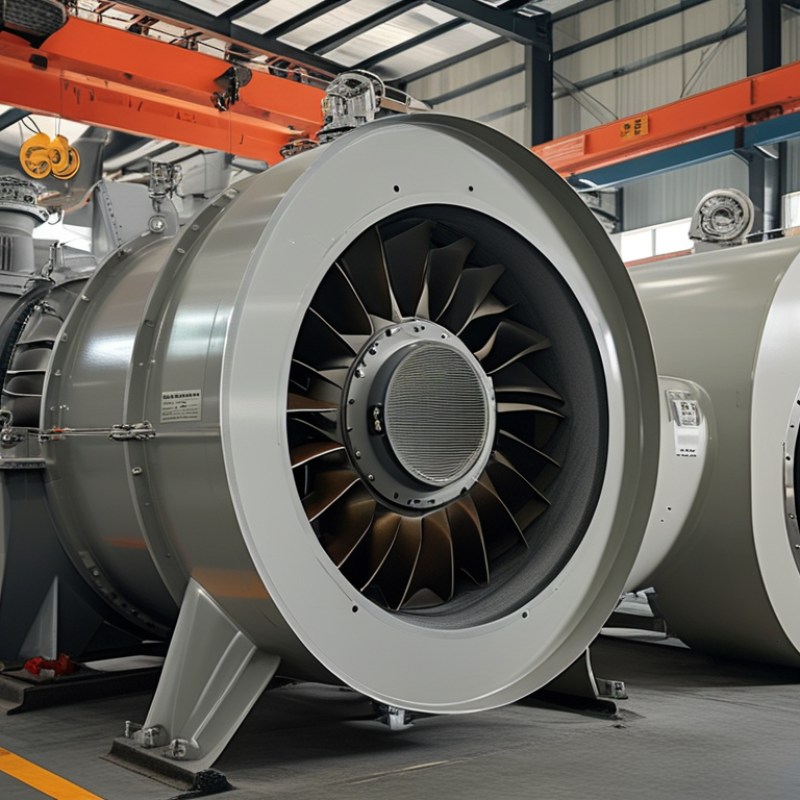
China Top Boiler Centrifugal Fan Manufacturer?
What Defines a Top China Boiler Centrifugal Fan Manufacturer?
A top manufacturer begins with verified performance, not attractive catalog numbers. Boiler fans must deliver stable airflow against changing system resistance. Proper selection considers temperature, dust loading, pressure, noise, efficiency, and operating hours. The IEA’s Energy Efficiency 2023 report identifies industry as responsible for about 37% of global final energy consumption. Even small fan-efficiency gains can therefore reduce substantial operating costs.
In field commissioning, reliable suppliers provide performance curves, material records, balancing results, and test data. Impeller balancing should follow ISO 21940 principles. Air performance testing should reference AMCA 210 or ANSI/ASHRAE 51 methods. A strong manufacturer also checks weld quality, bearing temperature, shaft alignment, and vibration before shipment. These details matter near a hot boiler casing. However, no factory test replaces correct site installation. This is where many projects remain imperfect.
Tips: Request duty-point testing, not only maximum airflow. Confirm the pressure unit and gas temperature. Ask for a signed inspection record. Check spare-bearing availability. Review the warranty exclusions carefully. A thoughtful supplier will admit limits, explain assumptions, and recommend redesign when conditions change. That honesty is useful.
| Evaluation Dimension | Recommended Technical Benchmark | What a Top Manufacturer Should Provide | Objective Verification Evidence | Importance for Boiler Applications |
|---|---|---|---|---|
| Performance Testing | Airflow, pressure, power, efficiency, and sound data tested across the specified operating range. | Performance curves for each fan model, including operating points and test conditions. | Test reports based on recognized procedures such as AMCA 210 or ISO 5801, where applicable. | Accurate data helps prevent insufficient combustion air, excessive energy use, and unstable boiler operation. |
| Pressure and Airflow Selection | Selection should account for system resistance, duct losses, filters, dampers, burners, and safety margins. | Engineering selection based on the complete system duty point rather than airflow alone. | A documented selection sheet showing airflow, static pressure, total pressure, speed, motor power, and operating point. | Correct selection reduces the risk of fan surge, inadequate draft, and unnecessary oversizing. |
| Impeller Design | Backward-curved or other application-appropriate impeller geometry, with controlled balance and verified clearances. | Impeller drawings, balance records, and design details matched to temperature, pressure, and dust conditions. | Dynamic balancing records and dimensional inspection results for the rotating assembly. | Impeller quality directly influences vibration, efficiency, noise, service life, and operating stability. |
| Temperature Capability | Materials, bearings, shaft seals, lubrication, and motor arrangement must suit the specified gas temperature. | Clear temperature limits and a defined cooling or heat-isolation arrangement when required. | Technical datasheet identifying maximum continuous temperature, allowable transient temperature, and component limitations. | Boiler flue-gas and combustion-air systems can expose fans to heat that damages bearings, seals, or motors. |
| Material and Corrosion Resistance | Material selection must reflect moisture, acidic condensate, dust, and gas composition. | Specified material grades, coating systems, surface preparation, and corrosion-control options. | Material certificates, coating specifications, and inspection records where requested. | Suitable materials help reduce casing perforation, impeller corrosion, and unplanned maintenance. |
| Vibration and Mechanical Reliability | Rotating equipment should be checked for balance, alignment, bearing condition, and vibration during testing. | Factory inspection procedures covering rotor balance, shaft runout, bearing installation, and trial operation. | Vibration measurement records and documented acceptance limits for the completed fan assembly. | Low vibration protects bearings, foundations, couplings, ducts, and connected boiler equipment. |
| Motor and Drive Compatibility | Motor rating, voltage, frequency, enclosure, insulation class, and starting method must match the installation. | Motor and drive options suitable for direct drive, belt drive, or variable-frequency operation as required. | Motor nameplate data, wiring diagrams, efficiency information, and variable-frequency drive compatibility details. | Proper matching improves starting reliability, speed control, energy efficiency, and electrical safety. |
| Noise Management | Noise data should be stated with measurement conditions and installation assumptions. | Noise-reduction options such as silencers, acoustic enclosures, flexible connectors, or optimized speed selection. | Sound-power or sound-pressure test data with the applicable measurement method and distance stated. | Lower noise supports workplace requirements and improves the operating environment near boiler rooms. |
| Manufacturing Quality System | Consistent control of purchasing, fabrication, assembly, inspection, and nonconforming products. | A documented quality-management process with traceable inspection checkpoints. | A valid ISO 9001 certificate from an accredited certification body, when claimed, plus internal inspection records. | Process control reduces variation between units and improves repeatability for projects with multiple fans. |
| Safety and Regulatory Compliance | Risk assessment and applicable electrical, mechanical, and machinery requirements should be addressed for the destination market. | Safety guards, emergency-stop provisions, protective earthing, warning labels, and required technical documentation. | Declaration or conformity documentation, risk assessment, manuals, and inspection records applicable to the project. | Documented compliance helps reduce installation risk and supports acceptance by engineers, inspectors, and end users. |
| Customization Capability | Design should accommodate airflow, pressure, temperature, orientation, space, drive arrangement, and maintenance requirements. | Controlled engineering changes for inlet and outlet orientation, base frames, access doors, coatings, and instrumentation. | Approved drawings, dimensional layouts, datasheets, and a formal design-change process. | Customized configurations improve fit, accessibility, serviceability, and compatibility with the boiler system. |
| Inspection and Factory Acceptance | Inspection scope should be agreed before production and linked to the purchase specification. | Pre-shipment inspection covering dimensions, rotation direction, nameplate data, accessories, and test results. | Inspection and test plan, factory acceptance report, packing list, and final equipment checklist. | Factory verification identifies errors before shipment and reduces commissioning delays at the project site. |
| Documentation and Traceability | Technical documents should identify the exact model, duty point, materials, components, and revision status. | Operating manual, installation instructions, maintenance schedule, spare-parts list, drawings, and certificates. | A complete document index with serial-number or order-reference traceability. | Complete documentation supports correct installation, troubleshooting, maintenance, and future replacement. |
| After-Sales Support | Support should cover commissioning guidance, troubleshooting, spare parts, and technical communication. | Defined response channels, recommended spare-parts packages, and clear warranty terms. | Written service procedure, warranty conditions, spare-parts availability statement, and commissioning checklist. | Responsive support helps minimize downtime and protects the long-term performance of boiler equipment. |
| Export and Project Experience | Experience should be relevant to the destination country, boiler type, operating conditions, and documentation requirements. | Capability to manage export packing, shipping documents, installation constraints, and project-specific specifications. | Redacted project references, sample documentation packages, packing standards, and logistics procedures without disclosing confidential company data. | Relevant experience reduces coordination errors and improves delivery and installation efficiency. |
| Overall Qualification Indicator | All critical requirements should be supported by verifiable technical and quality records. | A transparent comparison based on performance, reliability, compliance, documentation, and lifecycle support. | Evidence-Based Qualification | A top manufacturer is defined by verified capability and consistent delivery, not by price or marketing claims alone. |