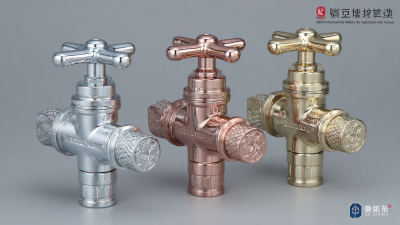
Choosing the best Industrial Valves made in China depends less on a country label than on the valve’s job. A stainless-steel ball valve for a clean-water line faces different demands from a cast-iron gate valve in a utility system. Pressure, temperature, fluid compatibility, operating frequency, and maintenance access all matter. There is no universal winner.
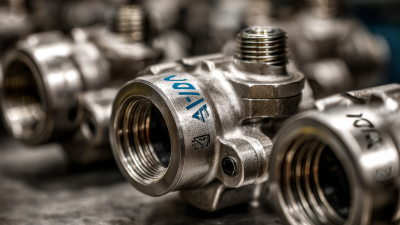
A reliable comparison starts with verifiable details: material grades, pressure and temperature ratings, applicable test requirements, and clear product documentation. Look for traceable identification on the body, such as a model number or batch code, and ask how each valve is inspected before shipment. A polished finish can look reassuring. It is not proof of performance. Check whether the supplier can provide drawings, test records, and answers specific to your operating conditions.
Manufacturer capability also varies widely. Some factories focus on standard sizes and repeat orders; others offer custom configurations or specialized process controls. Buyers should compare samples, production consistency, spare-parts availability, lead times, and communication—not just the quoted price. A low-cost valve may become expensive if its seals wear early or its dimensions do not match the piping. That risk is easy to underestimate. Even a careful checklist cannot replace a qualified engineering review for critical service. This guide explains how to assess valve types, manufacturers, quality evidence, and application fit, so readers can make a more informed shortlist rather than rely on broad claims.
Industrial valves manage the movement of liquids, gases, and steam through pipelines. They can start or stop flow, adjust its rate, or direct it into another line. A valve does not control a system by itself; its performance depends on pressure, temperature, fluid properties, and correct installation.
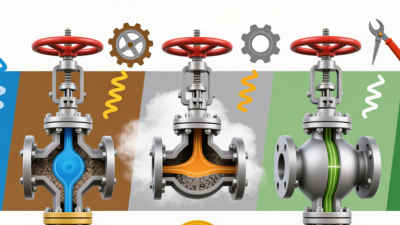
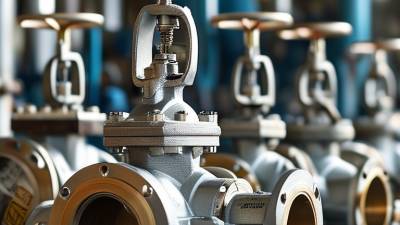
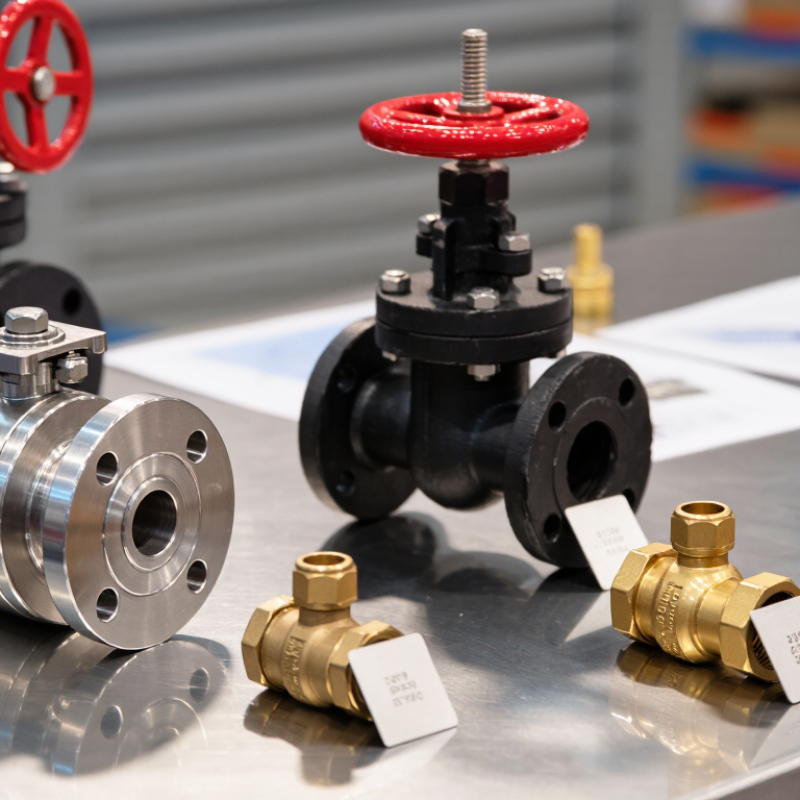
A gate valve lifts a flat gate out of the flow path, making it useful for full shutoff. A globe valve changes flow through a narrower, shaped passage and can provide more precise adjustment. Ball valves use a rotating, bored sphere for quick opening or closing. Small differences matter. A partly open valve may cause turbulence, noise, or wear, especially when flow conditions are poorly matched to its design.
Actuation is another part of flow control. A handwheel offers direct control, while an electric or pneumatic actuator can operate a valve remotely. In a process line, sensors may detect pressure or flow changes and signal an actuator to adjust the opening. It sounds straightforward. In practice, response delays and incorrect sizing can undermine control. Engineers should check pressure ratings, materials, connection dimensions, and operating conditions against technical documents before selecting or replacing a valve.
There is no single best valve for every service. The right choice depends on the fluid, operating pressure and temperature, required flow control, materials, applicable standards, and quality verification. The valve types below are widely used in industrial systems; product performance varies by design and specification.
| Valve Type | How It Controls Flow | Typical Industrial Uses | Key Strengths | Important Selection Considerations | Common Material Options |
|---|---|---|---|---|---|
| Gate valve | A gate moves across the flow path to provide an open or closed position. | Water distribution, utility lines, and process pipelines where the valve is usually fully open or fully closed. | When fully open, it generally offers a relatively unobstructed flow path and low pressure loss. | Generally not suited to routine throttling, which can cause vibration, wear, or damage to sealing surfaces. Allow room for the stem and operator. | Cast or ductile iron, carbon steel, stainless steel, and other materials selected for the fluid and service conditions. |
| Globe valve | A movable disc or plug works against a seat; its position can be adjusted to regulate flow. | Process lines requiring frequent flow adjustment, such as steam, cooling water, or other compatible fluids. | Provides more precise throttling than many on/off valve designs and can be configured for different control needs. | Its flow path typically creates more pressure drop than a full-port gate or ball valve. Check the flow direction and the actuator or handwheel requirements. | Cast iron, carbon steel, stainless steel, and corrosion-resistant alloys, depending on the application. |
| Ball valve | A drilled ball rotates, commonly through a quarter turn, to align or block the flow passage. | Isolation in water, gas, chemical, and general process services when the valve materials and design are suitable. | Fast operation and tight shutoff are available in many designs; full-port versions can provide a relatively direct flow path. | Standard on/off designs are not necessarily suitable for continuous throttling. Confirm seat, seal, fire-safety, and emissions requirements for the service. | Stainless steel, carbon steel, brass, and selected polymer or lining materials, as appropriate for the fluid. |
| Butterfly valve | A disc rotates in the pipe to open, close, or partially restrict the flow path. | Large-diameter water, HVAC, utility, and compatible process pipelines. | Compact construction and comparatively low weight make it useful where installation space or valve weight matters. | Disc position remains in the flow path. Suitability for throttling, pressure, temperature, and shutoff depends on the design, seat, and service conditions. | Ductile iron, carbon steel, stainless steel, and elastomer-lined or other lined designs. |
| Check valve | Opens with forward flow and closes when flow stops or reverses; operation is normally automatic. | Pump discharge lines and other systems where reverse flow could damage equipment or disrupt operation. | Helps prevent backflow without requiring routine manual operation or an external actuator. | Choose a suitable style and closing behavior for the flow rate and system layout. Poor selection or installation can contribute to pressure surges or flow noise. | Cast iron, carbon steel, stainless steel, and other compatible body and trim materials. |
| Diaphragm valve | A flexible diaphragm moves against a weir or seat to regulate or stop flow. | Water treatment, chemical handling, and services where a lined or isolated wetted surface is useful. | The diaphragm separates the operating mechanism from the process fluid and can help limit leakage paths to the outside. | Diaphragm material and construction set important limits on chemical compatibility, pressure, and temperature. Verify these limits for the exact service. | Metal bodies with elastomer or fluoropolymer diaphragms and linings, selected for the fluid. |
| Plug valve | A plug with a passage rotates, commonly through a quarter turn, to connect or block the flow path. | Isolation in compatible liquid, gas, and process services; lined designs may be used for some corrosive fluids. | Simple quarter-turn operation and a direct flow path are available in many designs. | Operating torque, sealing design, lubrication needs, and maintenance vary by construction. Confirm suitability for the fluid and required shutoff performance. | Cast iron, carbon steel, stainless steel, and lined metal bodies, depending on the application. |