Top 10 Best Electric Mini Trucks for Sale
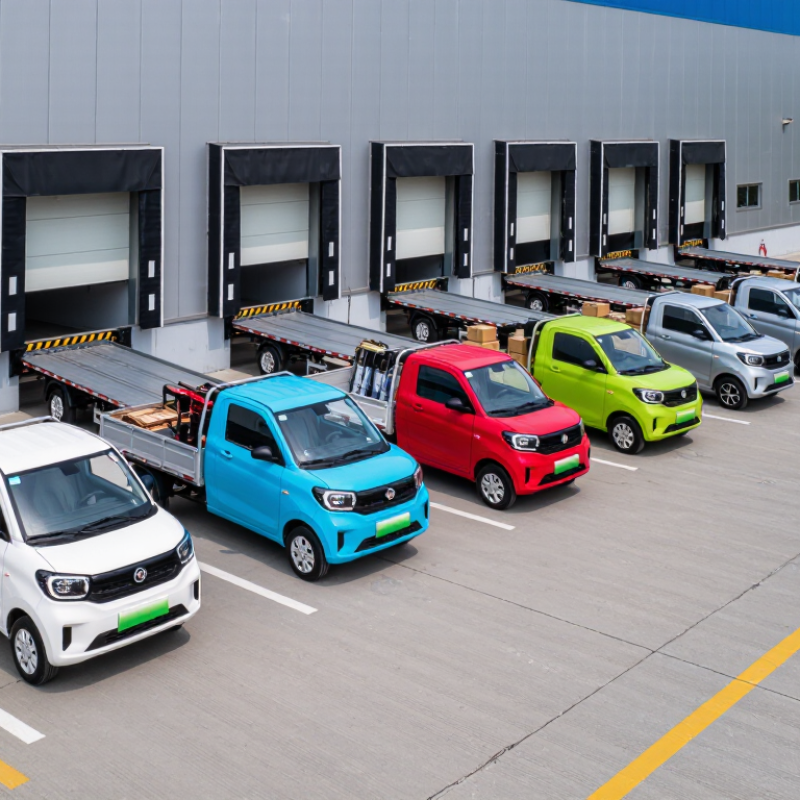
Electric mini trucks are moving beyond novelty. They now serve farms, campuses, warehouses, and urban delivery routes where compact size matters. This guide, “Top 10 Best Electric Mini Trucks for Sale,” compares models by practical details: payload, cargo-bed dimensions, estimated range, charging time, and available service support. Those numbers deserve close attention. A truck that looks capable beside a loading dock may struggle with steep roads, heavy tools, or a full day of stop-and-go work.
Automotive analyst Sam Abuelsamid has commented broadly on how electric vehicles must match real-world use; the line below is an editorial paraphrase, not a direct quotation: “The right electric truck is the one whose range, payload, and charging routine fit the job.” A useful reminder. Buyers should check whether range figures reflect their expected load and weather, then confirm charging needs with the seller. A tape measure can help, too: compare the bed with the actual pallets, bins, or equipment you carry. Small details matter.
The rankings ahead consider both advertised specifications and everyday usability. Some models may look excellent on paper but offer limited dealer access or unclear warranty terms. That deserves scrutiny. Availability and specifications can vary by location, so confirm current details before making a purchase. No single truck suits every route. The best choice is the one that handles your regular workload without asking you to compromise on safety, comfort, or dependable support.
Electric Mini Truck Basics: NTEA GVWR Classes, Payload, and Vehicle Standards
NTEA classifies trucks by gross vehicle weight rating, not by body size or battery capacity. Class 1 covers 0–6,000 pounds GVWR; Class 2 spans 6,001–10,000 pounds; Class 3 spans 10,001–14,000 pounds, according to NTEA’s truck classification guidance. GVWR is the maximum permitted loaded vehicle weight. It is not the payload figure. That distinction matters.
Payload is generally the difference between GVWR and the truck’s actual curb weight. The driver, passengers, cargo, tools, and installed equipment all consume that allowance. A compact electric truck can look roomy, yet a heavy battery pack or utility body may leave less usable capacity than expected. Check the certification label, axle ratings, and tire load ratings; do not rely on a sales-page estimate alone. A scale ticket with the planned equipment fitted is even better. Real work adds weight.
Vehicle standards matter, too. U.S. buyers should verify the vehicle’s applicable Federal Motor Vehicle Safety Standards certification, including electric-powertrain safety requirements. The Department of Energy’s Alternative Fuels Data Center reports that electric vehicles convert over 77% of grid energy into power at the wheels, compared with about 12–30% for gasoline vehicles. That efficiency figure does not predict a truck’s range or payload. Cold weather, hills, and stop-start routes change the result. The fine print deserves a second look.
Battery and Charging Metrics: Usable kWh, Range, and Charging Power
When comparing electric mini trucks for sale, look for usable battery capacity, not just total pack size. Usable kWh is the energy available for driving; some capacity may be reserved to protect the battery. A truck with more usable energy may travel farther, but cargo weight, hills, cold weather, and cabin heating can reduce range. A short trip across a flat industrial yard is not a reliable test of a loaded route. Range figures are estimates, not promises.
Charging power matters too. A vehicle’s maximum input may exceed what its onboard charger or the charging station can deliver. Check both the truck’s AC charging limit and its DC fast-charging limit, if equipped. For example, a 20 kWh refill at 6 kW takes at least three hours in ideal conditions; real charging can take longer. Charging curves and temperature affect the result. These details are easy to overlook.
Tips: Compare usable kWh, realistic loaded range, and charging limits side by side. Ask how much range remains after your typical workday. Leave a buffer. Published figures can still miss your route, and that uncertainty deserves a little humility.
Top 10 Electric Mini Trucks for Sale: Price, Payload, Range, and GVWR
A useful electric mini-truck comparison starts with the job, not the advertised range. List the typical cargo weight, route distance, stops, and terrain. Then compare price, payload, range, and gross vehicle weight rating (GVWR) on the same basis. Payload is not the same as bed capacity: check the vehicle label and subtract curb weight from GVWR. A few heavy tools can matter.
The U.S. Department of Energy’s Alternative Fuels Data Center reports that all-electric vehicles commonly offer about 110 to 300 miles or more per charge. That is a broad reference, not a promise for a loaded mini truck. Cold weather, hills, speed, and cargo can reduce usable range. Price comparisons also need context: confirm whether the quote includes the battery, charger, cab, and delivery. One easy-to-miss detail.
Tips: Keep a 20–30% range buffer for real routes, then ask sellers for payload and GVWR documentation. Compare the rated payload with your actual cargo, including passengers and equipment. If a listing gives range but omits test conditions, treat that figure cautiously. I would not rank a truck on one impressive number alone; specifications can look tidy while the workday is messy.
Compare Efficiency and Ownership Costs Using kWh per 100 Miles and Warranty Data
When comparing electric mini trucks, start with EPA energy use in kWh per 100 miles, where available. Lower figures usually mean less electricity for the same distance, but payload, hills, and cold weather can raise consumption. The U.S. Department of Energy’s Alternative Fuels Data Center reports that electric vehicles convert more than 77% of grid energy into power at the wheels. That helps explain their efficiency advantage, but it does not predict your exact utility bill.
Ownership costs need more than an energy figure. Consumer Reports’ 2020 analysis estimated lifetime maintenance and repair costs at about 3 cents per mile for electric vehicles, versus 6 cents for gasoline vehicles. Treat that as a broad comparison, not a mini-truck guarantee. Check each truck’s battery and vehicle warranty for years, mileage limits, capacity terms, and exclusions. A long warranty can reduce risk, but it cannot prevent downtime or cover every repair. Small details matter.
Tips: Estimate energy cost by multiplying kWh per 100 miles by your local electricity rate, then divide by 100. Compare that with your expected annual mileage. Check warranty limits, too. Test the truck with a realistic load if possible; empty-bed efficiency can be misleading.
Top 10 Best Electric Mini Trucks for Sale - Compare Efficiency and Ownership Costs Using kWh per 100 Miles and Warranty Data
An anonymized comparison of U.S.-market electric pickup configurations
Important: Publicly available U.S. data do not provide a consistent set of ten mini-truck models with comparable EPA energy-use and warranty figures. The entries below are anonymized pickup-truck reference configurations, not a verified ranking of mini trucks. Energy use is an approximate conversion from representative EPA combined MPGe figures (33.7 kWh per gallon-equivalent); warranty coverage depends on model year, trim, and location. Confirm details with the seller before purchase.
| Vehicle | EPA combined efficiency reference | Approx. energy use
(kWh/100 mi) | Estimated electricity cost
per 100 mi* | Representative basic warranty | Representative battery warranty |
| Option 01 | 70 MPGe | 48.1 | $7.70 | 3 yr / 36,000 mi | 8 yr / 100,000 mi |
| Option 02 | 74 MPGe | 45.5 | $7.28 | 4 yr / 50,000 mi | 8 yr / 100,000 mi |
| Option 03 | 63 MPGe | 53.5 | $8.56 | 3 yr / 36,000 mi | 8 yr / 100,000 mi |
| Option 04 | 53 MPGe | 63.6 | $10.18 | 3 yr / 36,000 mi | 8 yr / 100,000 mi |
| Option 05 | 66 MPGe | 51.1 | $8.18 | 3 yr / 36,000 mi | 8 yr / 100,000 mi |
| Option 06 | 70 MPGe | 48.1 | $7.70 | 5 yr / 60,000 mi | 8 yr / 175,000 mi |
| Option 07 | 74 MPGe | 45.5 | $7.28 | 4 yr / 50,000 mi | 8 yr / 100,000 mi |
| Option 08 | 63 MPGe | 53.5 | $8.56 | 3 yr / 36,000 mi | 8 yr / 100,000 mi |
| Option 09 | 53 MPGe | 63.6 | $10.18 | 3 yr / 36,000 mi | 8 yr / 100,000 mi |
| Option 10 | 66 MPGe | 51.1 | $8.18 | 5 yr / 60,000 mi | 8 yr / 175,000 mi |
How to read the comparison: Lower kWh per 100 miles generally means less electricity is needed for the same distance. Warranty mileage limits apply alongside time limits, and battery coverage may include capacity-retention conditions.
*Electricity-cost illustration assumes a home electricity rate of $0.16 per kWh and excludes charging losses, public-charging fees, taxes, maintenance, insurance, depreciation, and purchase price. Energy use is calculated as 33.7 ÷ MPGe × 100 and rounded to one decimal place.
Choose a Mini Truck for Delivery, Agriculture, Worksites, or Fleet Operations
An electric mini truck should match the workday, not just look capable in a listing. For delivery, map the route, stop frequency, payload, and charging window. A driver making short urban drops may value a tight turning circle and easy loading more than highway speed. At farms, check ground clearance, bed access, and whether the truck can handle muddy lanes. On worksites, measure the actual tool load. Small details matter.
The International Energy Agency’s Global EV Outlook 2024 reports that electric truck sales rose about 35% in 2023, reaching nearly 54,000 vehicles worldwide. That figure covers trucks broadly, not mini trucks specifically, so treat it as a market signal, not a buying guarantee. The U.S. Department of Energy’s Alternative Fuels Data Center says electric vehicles convert over 77% of grid energy into motion, compared with 12–30% for gasoline vehicles. Real-world efficiency still depends on load, terrain, temperature, and driving habits.
For fleet operations, compare usable range under your busiest shift, not an idealized empty-vehicle estimate. Ask for payload-rated range and charging requirements in writing. Then test the truck on a familiar route, with typical cargo. Range is only part of the decision. A charging plug near the overnight parking area can help; a distant one can complicate the schedule. No spec sheet replaces that check.